For many bowhunters, early season success means tagging a deer when temperatures are still warm. While the thrill of filling a tag early can’t be overstated, it also brings one of the biggest challenges in deer hunting—keeping meat from spoiling.
Unlike late fall or winter, when cool weather naturally works in your favor, the early season requires careful attention to every step of the process, from the moment your arrow finds its mark to when that venison hits the freezer.
Mishandling during warm conditions can quickly ruin meat, turning hard-earned success into wasted opportunity. To avoid that outcome, hunters need to understand the best practices for early season deer processing.
Below, we’ll break down everything you need to know, from field dressing in the field to final butchering at home, with a special focus on preventing spoilage in warm-weather conditions.
Field Dressing in Warm Weather
When hunting in the heat, time is your enemy. The very first step after recovering your deer is to act quickly. Field dressing should begin as soon as possible, ideally within minutes of recovery, to allow body heat to escape and prevent bacteria from multiplying.
A sharp knife is essential for efficient, clean cuts. Dull blades not only slow you down but also increase the risk of slips and accidents. Begin by carefully opening the abdominal cavity, making sure to avoid puncturing the intestines or bladder.
A single mistake here can contaminate the meat with urine or stomach contents, creating a mess that is difficult to salvage.
Once the entrails are removed, prop open the chest cavity with a stick to allow airflow. This helps the carcass start cooling immediately, which is crucial when temperatures are above 60°F.
The cleaner and faster this step is done, the better your venison will taste and the safer it will be for consumption.
Cooling the Meat Efficiently
The next critical step is cooling the deer as quickly as possible. Unlike in cold weather hunts where nature provides a walk-in freezer, early season hunters must create their own cooling system.
If conditions allow, skin the deer and quarter it right away. The hide traps a surprising amount of heat, and removing it speeds up the cooling process dramatically.
If immediate skinning isn’t possible, placing bags of ice inside the chest cavity can buy you some time. Just be sure not to let the meat sit directly against melting ice. Waterlogged venison not only loses flavor but also increases the risk of bacterial growth.
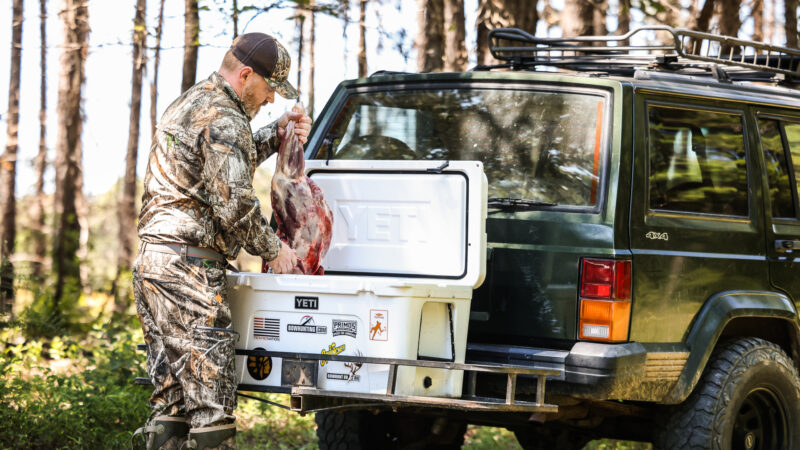
Shade and airflow are your best friends. Lay quarters on a clean surface in the shade and make sure air can circulate around them. If you have a cooler with proper drainage, pack the meat inside with plenty of ice or ice packs.
Keep the drain open so meltwater escapes and doesn’t soak the meat. Better yet, if you have access to a refrigerator or walk-in cooler, transfer the meat there as soon as possible.
Preventing Meat Spoilage
Warm temperatures dramatically shorten the safe handling window for wild game. Once meat warms above 40°F, bacteria grow at a rapid pace. That’s why constant vigilance is needed throughout the processing chores.
Keep the carcass clean and dry at every step. Grass, dirt, and leaves should be brushed or rinsed off quickly. Hunters who process multiple deer often use citric acid sprays, which deter bacteria and insects while buying extra time. A light misting over the quarters can be especially helpful if flies are buzzing around.
As you handle the meat, always inspect it. Off smells, slimy texture, or gray-green discoloration are red flags. Don’t take chances if you suspect spoilage—bad venison can make you sick. Careful handling early on will almost always prevent those problems.
Aging Venison in Warm Weather
Many hunters prefer to age venison for improved tenderness and flavor. However, in the early season, traditional hanging outdoors is usually not an option. High temperatures can ruin meat before aging benefits are realized.
Instead, consider alternatives. A temperature-controlled cooler is the best solution. Hanging quarters in a walk-in cooler set around 34–38°F allows for safe dry-aging. If you don’t have access to one, a household refrigerator can work for smaller cuts. Place the meat on a rack to allow airflow, and avoid stacking pieces directly on one another.
Another option is wet-aging. This method involves vacuum sealing cuts and refrigerating them for several days to a week. While it won’t replicate the flavor development of dry-aging, it does help tenderize the meat without risking spoilage.
Transporting the Meat
Getting your venison home or to a processor can be another weak link in the chain. Improper transport can undo all the work you’ve done in the field.
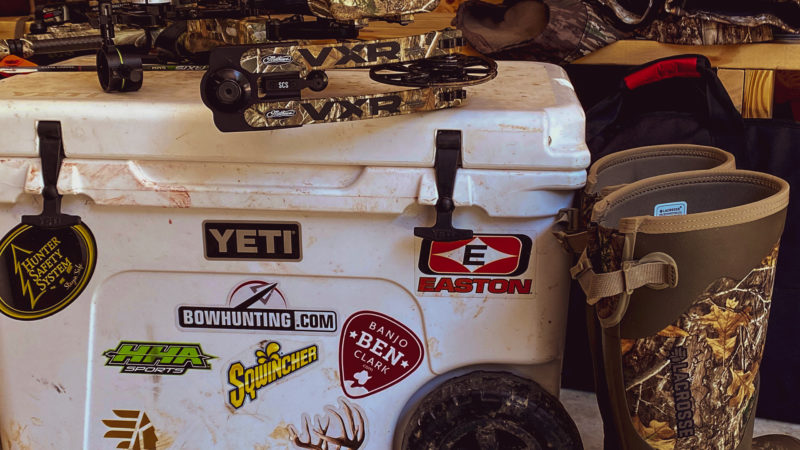
Invest in high-quality coolers and fill them with plenty of ice packs. Ice blocks generally last longer than cubes, but either works if you keep the cooler drained and closed as much as possible. Keep quarters separated inside the cooler so air can circulate, and avoid cramming everything together in a plastic bag. Plastic traps heat and moisture, exactly the conditions bacteria need to thrive.
For long drives, consider layering frozen water bottles or ice jugs in the cooler. They won’t melt as quickly and won’t soak the meat.
Butchering and Processing
Once the meat is properly chilled, it’s time to butcher. Don’t let it sit longer than necessary, as freshness is key. Decide on the cuts you want ahead of time—steaks, roasts, ground meat, jerky, or sausage. Having a plan makes the process smoother and reduces waste.
A vacuum sealer is one of the best investments a hunter can make. It keeps air and moisture out, which preserves flavor and texture far better than standard freezer bags.
If you don’t have one, freezer paper is another solid option. Wrap tightly, label each package with the cut and date, and rotate older meat forward in the freezer.
Properly packaged venison can last a year or more without losing quality, but the fresher you eat it, the better it will taste.
Dealing with Capes and Antlers
For hunters pursuing a mount, handling the cape correctly is just as important as preserving the meat. Always leave plenty of hide attached, especially around the brisket and shoulders, so the taxidermist has material to work with. Cutting too close creates problems that are difficult to fix later.
Just like meat, the cape must be kept cool. If you can’t deliver it to a taxidermist right away, freeze it. Place the hide in a plastic bag and remove as much air as possible before freezing.
Antlers, of course, require far less care, but make sure they’re dry and free of tissue before storing or transporting.
Final Thoughts
Early season deer processing is all about speed, cleanliness, and cooling. Unlike the late season, when cold air provides natural refrigeration, warm conditions demand extra attention and preparation.
A deer can go from a prized harvest to spoiled meat in a matter of hours if mishandled, but with the right steps—quick field dressing, efficient cooling, careful transport, and timely butchering—you’ll ensure that your venison is safe, delicious, and worthy of the effort you put into the hunt.
By mastering these techniques, early season hunters can not only enjoy the satisfaction of filling a tag but also put high-quality meat in the freezer, no matter how hot the weather is.