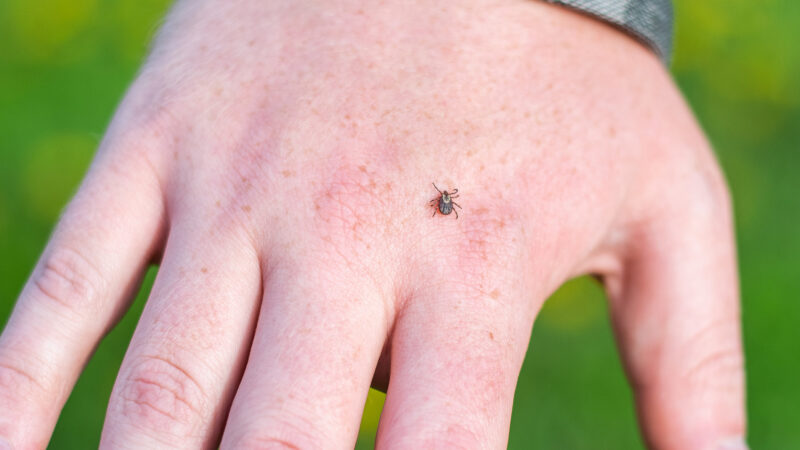
A newly released study from the Marshfield Clinic Research Institute has delivered a clear look at the specific pathogen risks facing anyone stepping into the upper Midwestern woods.
Data from the institute’s Tick Inventory via Citizen Science (TICS) project reveals that just over half of all deer ticks tested in Wisconsin carry the bacteria responsible for Lyme disease.
The findings, published on May 15, 2026, by lead authors Dr. Alexandra Linz and Dr. Jennifer Meece, compile the results of 12,493 tick submissions sent in by residents over a two-year period.
The Pathogen Breakdown
Researchers conducted molecular testing on a baseline of 707 adult female deer ticks (Ixodes scapularis) collected across the region. The analysis revealed high infection rates for multiple tickborne illnesses:
Babesiosis (Babesia microti): 9% positive. This is a malaria-like parasite that invades and destroys red blood cells.
Anaplasmosis (Anaplasma phagocytophilum): 9% positive. This disease was formerly known to hunters and clinicians as HGE.
Ehrlichiosis (Ehrlichia muris eauclairensis): 3% positive. This specific strain is commonly known as Upper Midwest Ehrlichiosis.
The data also showed that 14% of the tested deer ticks carried multiple pathogens simultaneously, meaning a single bite can expose a host to more than one disease at once.
Understanding the Clinical Risk
While a 51% positivity rate within the tick population is high, researchers emphasize that it does not equal a 51% chance of contracting Lyme disease from a bite.
Data from correlated clinical studies demonstrates that the actual transmission risk to a human from a single deer tick bite sits at approximately 3%. This is because ticks generally must be attached and feeding for 24 to 48 hours before pathogens transmit to the host.
For individuals who seek immediate medical care and receive a single prophylactic dose of doxycycline post-exposure, that real-world contraction risk drops to just 0.3%.
Recommended Personal Protective Measures
Because of the substantial environmental presence of these pathogens, the Marshfield Clinic team emphasizes that personal protective measures remain your best line of defense:
Field Dress Code: Wear long pants, tall socks, and long-sleeve shirts. Avoid walking directly through tall grass or heavy brush where ticks naturally congregate.
Chemical Repellents: Use proven repellents such as DEET on exposed skin and permethrin treatments on clothing and gear.
The Post-Hunt Routine: Perform a thorough body check immediately after being in tick habitat. Place all field clothing directly into the clothes dryer on high heat for 10 minutes to kill any hitchhiking ticks.
Property Management: Create a tick-free zone in your yard by removing tall grass, creating wood chip barriers, and discouraging rodent populations. Talk to your vet about tick preventatives for hunting dogs.
The Bottom Line
With spring turkey seasons wrapping up and summer scouting quickly approaching, exposure risk is at its peak. Taking an extra five minutes to treat your gear and check your clothes is a small price to pay to stay safe and stay in the woods.
A Full-Time Marketing Manager at Bowhunting.com and Rhino Group, Mike is an avid outdoorsman, videographer, and photographer living in Northern Minnesota on the edge of the Boundary Waters Canoe Area Wilderness with his wife and son.