It was 18 degrees when I got out of the truck, spitting snow and sleet. The weatherman said there would be a “wintry mix.” In my mind, I was telling myself, “deer don’t move in this.” Yet, there I was.
No sooner had I climbed into the ladder stand and sat down than deer started funneling through the dried creek bed I was overlooking out into the fields to feed. I sat until I couldn’t feel anything but my heartbeat, then climbed down. Despite the nasty late-season weather, I had deer on me all morning long.
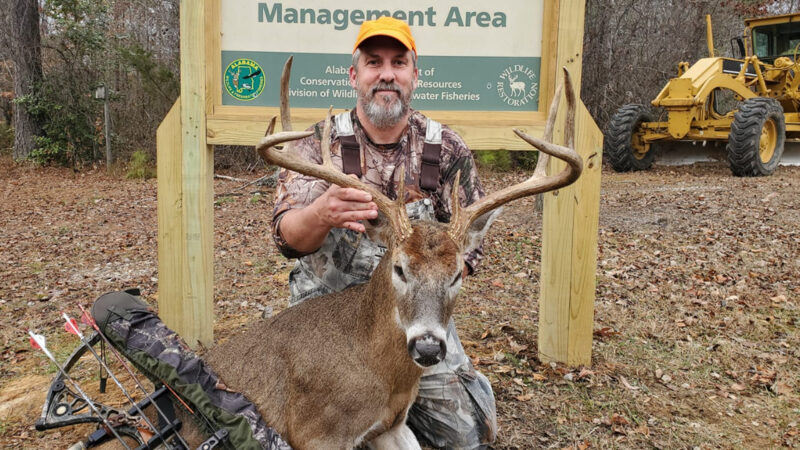
That was the day I learned that late-season hunting on public land, along with the right weather and a thermos of coffee, can be just the right mix for some of the best deer hunting of the year.
But others tend to speak differently of late-season hunting on public land, even going so far as to call it a complete waste of time. But is that the case? Is late-season public land overrated or underrated?
We decided to dig a little deeper into the topic and see what other hunters had to say. Let’s take a look…
Michael Perry of 18 Outdoors, one of the best hunters I know, says late-season public-land hunting is probably underrated. He went on to offer his pros and cn
Pros: Less pressure; food availability is lower, and deer will be concentrated.
Cons – Colder, less cover, sometimes they bed close to food.
“Late season separates the men from the boys, so to speak,” says Perry. “There is less pressure due to the harsher conditions, but also hunters might have filled their tags after a long season. Days are shorter during the late season as well, so guys who work can’t slip in after work. All told, there are fewer people in the woods in the late season.”
You’ll often find the grocery store to be slim on shoppers if you go late at night. In fact, you may have the place to yourself. The same thing can apply to hunting late-season public land: it’s wide open.
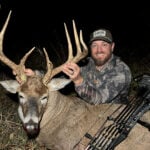
Avid deer hunter, T.W. Norman, says late-season public land hunting is definitely underrated. “Late season hunting is probably my favorite time of the year to hunt, especially when it comes to finding and harvesting a mature buck,” he says. “I think pressure naturally decreases the further you get away from November on public land.”
Norman admits that the late season can have its downside as well. “The downside is that the pressure the land encountered during the rut may still have a residual effect on deer behavior. This may force deer to naturally move later in the evening or possibly be mostly nocturnal.”
Deer still have to eat and drink to survive. In fact, they have to eat more due to the harsh temperatures.

Again, T.W brings up a great point here, “If you live in the Midwest as I do, you will likely be able to find public land that has great food sources. A lot of times, especially in places like Illinois and Iowa, farmers will lease cropland from the state, and there will be leftover cut crops from the fall. Also, in many instances, state agencies will have planted food plots, such as a mix of cereal grains and turnips. Now, if you have good late-season food sources, your odds have just gone up.”
If you dig deep enough, you’ll find the deer hunters who consider late-season public land hunting to be overrated, despite their unwillingness to admit it publicly. They are most often the ones that are still sitting in the same private land treestand they’ve hunted all season long without results. They are the ones who have called it quits already and have succumbed to the mindset of, “Why go? The rut’s over!” They are the hunters content with eating tag soup rather than grinding it out until the end.
You see, in this situation, overrated is often the excuse a hunter needs to avoid staying in the game until the final days of the season.
Final Thoughts
Overall, however, the majority of people I talked to said late-season public hunting was underrated, and nearly everyone had a story of a late-season buck or encounter.
So grab your warmest flannel or wool coat, get your long-johns on, and brave the conditions, because there’s a good chance a harvest is waiting to happen in a cut corn field or a winter wheat food plot for you. Just make sure you don’t forget the thermos of coffee!