Bowhunt long enough and you’ll come to know it as a discipline combining patience, precision, and persistence. It’ll demand far more of you than mere skill with a bow. It’ll require woodsman skills, instinct and execution like no other.
Regardless of whether you’re chasing whitetail in the east, or elk in the mountains of the west, developing the right bowhunting habits will separate those who merely hunt, and the ones who haul out meat at the end of the hunt.
Here’s a look at 7 habits that will make you a better bowhunter this season.

Practice with Purpose
Your practice routine should go well beyond a few arrows flung from the porch in the evenings leading up to opening day. Shooting arrows in your backyard at 20 yards can build confidence, but it won’t fully prepare you for the challenges of a hunt.
Practice should replicate real-world scenarios. That means shooting from elevated platforms, in awkward stances, and in varying weather conditions.
Focus on the shot, but take it a step further, and focus on consistency. Muscle memory is critical here. Draw length, anchor point, and release should be identical every time. If any of these steps vary, your accuracy will too.
Don’t be the bowhunter that fails to practice with their broadheads. Your field points are flying like darts? Fantastic! Now what about the broadheads you’ll actually be hunting with.
Shoot your broadheads now. Yes, it’s expensive, but the confidence you’ll gain is priceless. Take the time to get dialed in with the exact gear you’ll use on the hunt.
Know Your Gear Inside and Out
Do you know your equipment? Do you know your bow’s specs and why they matter? Do you know exactly where your 2nd and 3rd pins are set and your abilities at those ranges?
No, you may not plan to shoot beyond your first pin, but what if things go south? What if your shot misses the mark, and you have a gut-shot deer standing out there hunched up at 45 yards? Are you confident in your equipment to make a follow-up shot?
We owe it to the animals we pursue to know our equipment inside and out and be as deadly as we possibly can when the tools are in our hands.
But we should also know how to maintain our equipment. Keep strings waxed, check limb bolts and cams regularly, and inspect arrows for cracks or loose fletchings. Don’t let get gear failure be the reason for missed opportunities this season.
Get Physically and Mentally Fit
Your off-season routine should involve more than just preparation in the woods and on the range. You should also take the time to build your body’s core and shoulder strength.
Drawing and holding a bow, especially in cold weather or at full draw for extended periods, takes physical stamina. Exercises that target your shoulders, back, and core will help maintain control and prevent injury.
But also work on improving your cardiovascular endurance. This is particularly necessary if you’re spot-and-stalk hunting or hunting at elevation.
Make sure your heart is physically able to keep up with your ambition for the hunt. Conditioning lets you reach spots other hunters can’t, as well as haul meat back to the truck at the end of a successful trip.
Physical prep is important, but mental toughness can be what truly sets a hunter apart. Bowhunting is full of long waits, missed shots, and close calls. Learning to stay calm and make good decisions under pressure will make you deadly when it counts.
Play the Wind Relentlessly
There are plenty of products on the market that claim they can help you beat the wind. Don’t believe them. Never forget the wind. You can have everything right, but if the wind is wrong, everything will go wrong in a hurry.
Deer and elk live and die by their nose. Don’t get lazy when it comes to playing the wind. Wind direction should always determine how and where you hunt. Carry wind checkers, milkweed, or light powder to test airflow regularly.
Winds swirl unpredictably in hill country and forested areas. Remember, what’s true at the truck may not be true in your stand. Constantly monitor the wind.
Hunt crosswinds when possible. Keeping your scent off the deer, but giving them a believable approach path that allows them to move with confidence is a deadly tactic for success.
Plan Entry and Exit Routes
The hunt starts long before you climb into the stand. In fact, many hunters blow their hunt on the way in and out of the woods. Your boots on the ground and the scent you allow to blow into a bedding area will end your hunt before it ever gets started.
Consider your entry and exit route and the impact it will have on deer hanging out on the farm. Avoid walking where you expect deer to travel, and always consider wind when choosing access routes to and your stand.
Scout Year-Round
Hunters that consistently punch tags each season are constantly scouting, both in season and in the off-season. Post-season scouting is one of the best times to scout giving you intel on trails, rubs, and bedding areas. But summer scouting also has its merits, helping you take inventory on the bucks that call your place home.
Trail cameras are priceless when it comes to gathering intel and activity on the places you hunt. But don’t just throw them out at random. Place your cameras near transition areas, scrapes, or known travel corridors. Focus on capturing travel behavior, not just pretty pictures.
Just remember, food sources, bedding areas, and travel routes change with the season. Your scouting should reflect that. Early season, rut, and late season require different setups.
Wait for the Right Shot
A hunter’s lack of patience helps countless deer live another day, season after season. We’re all guilty. We fail to wait for the right shot. We force it, knowing that a rushed, poorly placed shot can lead to a wounded deer and a sleepless night.
The hunter that can develop the habit of patience at the shot will kill more deer every year. Wait for the perfect angle. Be patient! Your mind will tell you, “It’s now or never!” Don’t listen to that. Wait for the shot, pick a spot and execute the shot.
Patience is also a factor when it comes to timing your draw. Drawing too early may leave you shaking. Draw too late, and you’ll miss your window of opportunity. Look ahead. Anticipate the deer’s movement and the landscape ahead to draw at the right moment for the shot.
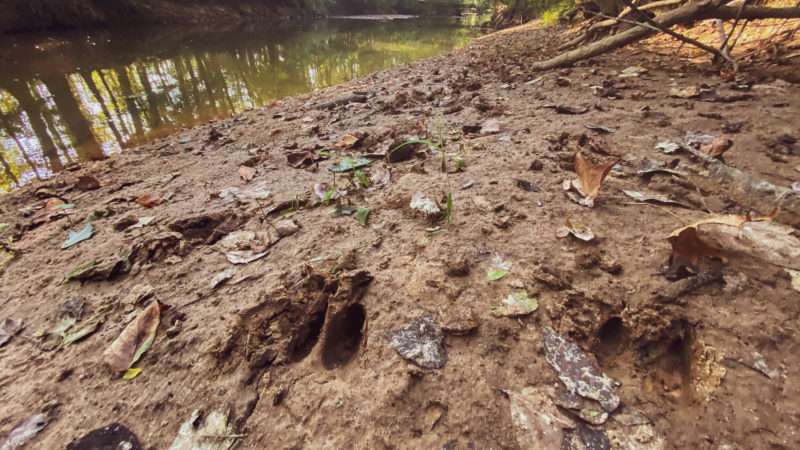
Patience is also a virtue after the shot. Don’t immediately climb down. Watch the deer as long as you can. Note where it was hit, how it reacted, and where it ran. This information is key for recovery.
Always err on the side of caution with tracking. If in doubt, wait. Rushing in too early can push a wounded deer and make recovery much more difficult.
Final Thoughts
Bowhunting is as much about preparation and discipline as it is about the thrill of the shot. Learn these seven habits mentioned above, and you’ll be a deadlier bowhunter this season.
Remember, it’s not about luck. It’s about stacking the odds in your favor, one habit at a time.