
The relationship between hunters and non-hunters in America is often described as complicated. It’s not necessarily hostile, but it’s certainly misunderstood. While hunters view their pursuits as a way of life deeply rooted in conservation and tradition, many non-hunters see something entirely different.
In a society growing more removed from rural living and outdoor heritage, bridging this perception gap has never been more important.
Understanding how non-hunters view hunters—and why—can help us improve the image of hunting, strengthen its future, and create a more balanced dialogue about wildlife and conservation.
Perception of Conservation Efforts
One of the biggest disconnects between hunters and non-hunters lies in the realm of conservation. Most hunters know that regulated hunting is a cornerstone of modern wildlife management, but many outside the hunting community simply don’t see that connection.
Ask the average non-hunter where conservation funding comes from, and few will mention hunting licenses, tags, or the excise taxes on firearms, ammunition, and archery equipment through the Pittman-Robertson Act.
Yet, these funds have generated billions of dollars for wildlife habitat restoration, research, and management programs. Ironically, it’s hunters—through their participation and spending—who contribute some of the most consistent financial support for wildlife conservation.
Unfortunately, that fact is often overshadowed by misconceptions that hunters only care about game species or trophy animals. The truth is, many species—game and non-game alike—benefit from the habitats and conservation work hunters help fund.
But if non-hunters never hear that message, they’re left with a skewed view of what hunting actually supports.
Animal Welfare Concerns
For many non-hunters, animal welfare is the central concern. They see the act of killing an animal as cruel or unnecessary in a world where food is readily available from the grocery store. The emotional connection people have with animals, especially through pets or wildlife documentaries, amplifies these feelings.
Another common worry is about the ethics of hunting itself—concerns about wounding animals, careless shots, or hunters taking more than they need. While these issues are rare in reality, they’re the stories that often make headlines or circulate online.
Ethical hunters understand the responsibility that comes with taking a life. Most spend countless hours practicing marksmanship, scouting, and following regulations to ensure a quick, humane harvest.
Still, to someone who’s never hunted, the idea of killing an animal can be hard to reconcile with compassion. This is where education and storytelling become powerful tools.
When hunters share the “why” behind their actions—the respect they hold for wildlife and the effort that goes into doing it right—it humanizes hunting in a way statistics never can.
Public Safety and Firearm Fears
Guns remain one of the most polarizing topics in modern society, and that tension naturally extends into hunting. Non-hunters who are unfamiliar with firearms often express anxiety about guns being carried in public lands, near trails, or around family-friendly recreation areas.
What many don’t realize is that hunting is one of the safest outdoor activities in America, statistically speaking. Hunter education programs, mandatory in nearly every state, have dramatically reduced accidents over the decades. Hunters are trained in firearm safety, wildlife identification, and ethical decision-making long before they ever step into the field with a weapon.
However, because those systems operate quietly and effectively, they go largely unnoticed. Non-hunters may not see the layers of responsibility and regulation behind each hunter in the woods—they only see the presence of firearms and draw their own conclusions. It’s another example of how perception doesn’t always match reality.
Cultural and Lifestyle Differences
Beyond the practical concerns about safety or ethics lies a deeper cultural divide. Many non-hunters, particularly those in urban or suburban environments, simply don’t relate to hunting as a lifestyle. They may view it as an outdated or fringe activity practiced by people disconnected from modern values.
For some, hunting represents a way of life they don’t understand—a mix of rural identity, self-sufficiency, and tradition. Others misinterpret it as purely recreational, assuming hunters are motivated only by sport or trophies rather than sustenance, conservation, or family heritage.
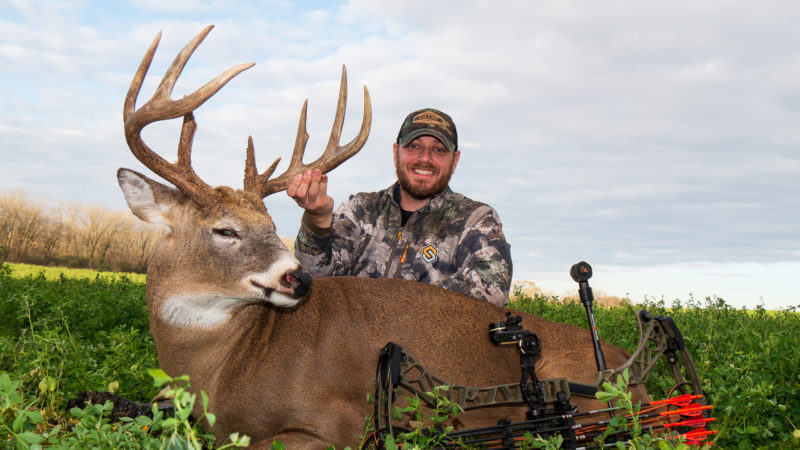
These cultural gaps are widened by social media, where trophy photos often dominate the public image of hunting. Without context, those images can reinforce stereotypes that hunters are indifferent to animal life or overly fixated on “the kill.”
In truth, most hunters value the experience far beyond the shot—the time in nature, the challenge of the pursuit, and the connection to something real and raw.
Positive Views
Despite the misunderstandings, not all non-hunter perspectives are negative. In fact, there’s a growing segment of the population that views hunting positively—especially when framed around sustainability and ethical food sourcing.
The farm-to-table movement has opened many eyes to where food comes from and how it’s harvested.
Non-hunters who value organic, free-range, and environmentally responsible food often recognize that hunting provides one of the most sustainable, humane ways to obtain meat. They appreciate that hunters harvest animals responsibly, utilize the meat fully, and often share it with others.
There’s also a growing awareness of the role hunting plays in wildlife population control. Without regulated hunting, many species—like white-tailed deer—can exceed the carrying capacity of their habitats, leading to starvation, disease, and vehicle collisions.
When explained clearly, this ecological balance makes sense even to those who never intend to hunt themselves.
Final Thoughts
At its core, the divide between hunters and non-hunters is less about values and more about understanding. Most non-hunters care deeply about wildlife, nature, and ethical treatment of animals—the very same things hunters stand for. The difference lies in how each group expresses that care.
For hunters, the path forward involves more than just defending the tradition—it’s about opening it up. That means engaging in honest conversations, being transparent about motivations, and demonstrating ethics in every aspect of the hunt.
It means sharing wild game with neighbors, inviting curiosity instead of confrontation, and showing that conservation isn’t just a word on a license tag—it’s a lifestyle.
When hunters take the time to explain not just what they do, but why they do it, perceptions begin to shift. Education, respect, and dialogue are the keys to ensuring hunting remains not only a legal right but a socially supported and understood tradition for generations to come.