While success in bowhunting is ultimately a blend of skill, practice, and a good dose of being in the right place at the right time, the right tools and gadgets can significantly tilt the odds in a hunter’s favor. For seasoned bowhunters, the annual ritual of gear preparation is almost as enjoyable as the hunt itself, a meticulous process of evaluating, upgrading, and fine-tuning their arsenal.
Beyond the obvious bow and arrows, a host of essential and specialized items contribute to a successful season. In this article, we dive into what bowhunters consistently consider the most important tools and gadgets for success, exploring their practical applications and why they’ve earned their coveted spot in a hunter’s pack.
Non-Negotiables for Every Bowhunter
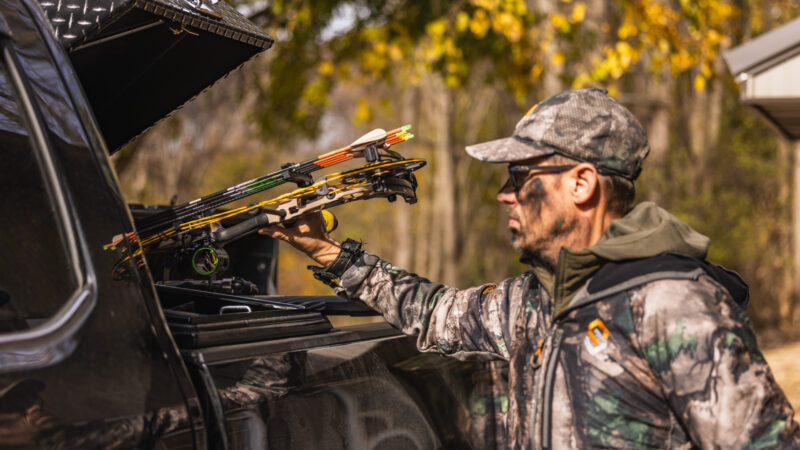
Before we dive into specialized electronics and clever contraptions, there are five core categories of gear that are universally acknowledged as critical. These aren’t just helpful; they are fundamental to safe, ethical, and effective bowhunting.
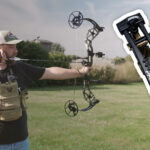
The Bow Itself (and its Accessories): This might seem too obvious to mention, but the bow isn’t just another piece of equipment, it’s the foundational machine all other gear is built around.
- The Bow: Whether it’s a compound, recurve, or longbow, a well-maintained and properly tuned bow is paramount. This means consistent paper tuning, precise sight alignment, and regular checks of strings and cables for wear. A bow that shoots consistently and accurately is the cornerstone of success.
- Bow Sight: For compound bowhunters, a high-quality bow sight is indispensable. Multi-pin sights allow for quick adjustments at various distances, while single-pin sliders offer extreme precision for longer shots. Features like fiber optics for low-light conditions and micro-adjustments for fine-tuning are highly valued.
- Arrow Rest: The arrow rest dictates how an arrow leaves the bow. Drop-away rests are incredibly popular for their fletching clearance and consistent launch, minimizing arrow contact and maximizing accuracy. Full-capture rests offer security, particularly in dense brush.
- Stabilizer: A good stabilizer dampens vibration, reduces torque, and improves balance, leading to a steadier aim and more consistent shot placement. The right length and weight can make a noticeable difference, especially when holding a bow at full draw for an extended period.
- Release Aid: For compound bowhunters, a reliable release aid is crucial for a smooth, surprise release, preventing target panic and improving accuracy. Index finger, thumb, and back-tension releases all have their proponents, but consistency is key.
- Quiver: An often-overlooked but essential item. Whether it’s a bow-mounted quiver, a hip quiver, or a back quiver, it needs to hold arrows securely, quietly, and within easy reach, allowing for quick follow-up shots if necessary.
Arrows and Broadheads: The Business End: Without the right projectiles, even the best bow is useless.
- Arrows: Properly spined arrows, matched to the bow’s draw weight and length, are essential for accuracy and consistent flight. Carbon arrows dominate the market for their durability, straightness, and consistent weight. Fletching type and helical twist also play a role in arrow flight.
- Broadheads: This is where opinions truly diverge, but all serious bowhunters agree on the importance of sharp, well-tuned broadheads. Mechanical broadheads are popular for their large cutting diameter and accuracy at longer ranges, while fixed-blade broadheads are known for their durability and penetration. Regardless of type, razor-sharp blades are non-negotiable for quick, ethical kills. Carrying a broadhead wrench for safe installation and removal is also a wise practice.
Optics: The ability to clearly see your target and the surrounding environment is critical for shot placement and game recovery.
- Binoculars: High-quality binoculars (8×42 or 10×42) are arguably a bowhunter’s most used tool after their bow. They allow for scouting, spotting game from a distance, evaluating an animal for legal harvest, and navigating challenging terrain. Low-light performance and clarity are paramount.
- Rangefinder: A laser rangefinder is no longer a luxury; it’s a necessity for precise shot placement. Knowing the exact distance to your target eliminates guesswork and allows for accurate pin selection, dramatically increasing your chances of a clean kill. Angle-compensating rangefinders are particularly valuable in hilly terrain.
Hunting Apparel
What you wear is more than just a fashion statement in the woods; it directly impacts your success and safety.
Camouflage: Effective camouflage patterns are designed to break up the human silhouette and blend into specific environments, whether it’s dense timber, open fields, or snowy landscapes. More than just pattern, the fabric is important for quiet movement. Fortunately, hunters are now experiencing the glory days of hunting apparel when it comes to materials, features and function.
Layering System: Bowhunting often involves periods of intense activity followed by long stretches of stillness. A versatile layering system, including a base layer for moisture-wicking, an insulation layer for warmth, and an outer shell for weather protection, allows hunters to adapt to changing conditions and maintain comfort.
Scent Control: Deer and other game animals have an incredible sense of smell. Scent control measures, including scent-eliminating sprays, activated carbon clothing, and meticulous hygiene, are considered crucial by many bowhunters to reduce the chances of being detected.
Boots: Comfortable, waterproof, and supportive boots are essential for traversing varied terrain and enduring long hours in the field. Good traction and ankle support are critical for safety and minimizing fatigue.

Game Processing and Recovery
A successful hunt isn’t over until the animal is recovered and processed ethically.
- Knife: A razor-sharp hunting knife, preferably with a gut hook, is indispensable for field dressing and preparing game for transport. Carrying a sharpener or extra blades is also wise.
- Headlamp/Flashlight: For early morning entries, late evening exits, or tracking after dark, a reliable headlamp with a red-light option (to preserve night vision) is vital.
- Game Bags: Breathable game bags protect meat from insects and dirt while allowing it to cool properly, especially in warmer temperatures.
- Rope/Game Cart: For larger animals, a strong rope for dragging or a game cart can significantly aid in extraction from difficult terrain.
Modern Gadgets and Technology
Beyond the foundational gear, a multitude of specialized gadgets and technological advancements have become increasingly important for bowhunters seeking every possible advantage.
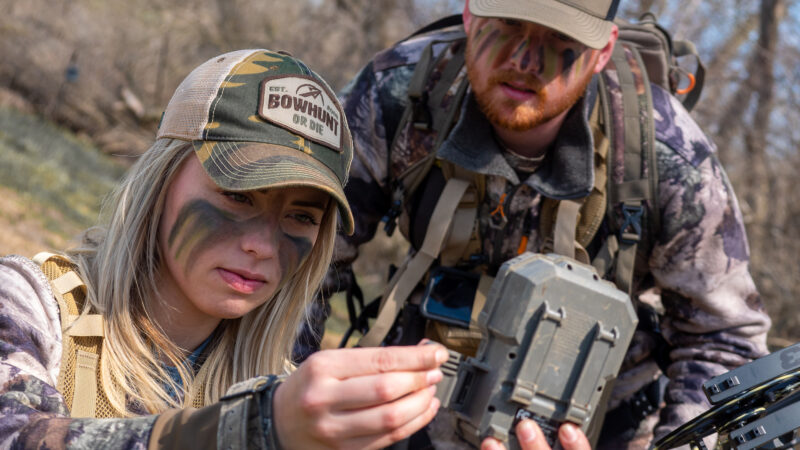
Trail Cameras: These silent sentinels have revolutionized scouting. Placed strategically on trails, near food sources, or over scrapes, trail cameras provide invaluable intelligence on game movement patterns, frequency, and antler development, allowing hunters to optimize stand placement and hunting times.
Wi-Fi or cellular-enabled cameras offer real-time updates, making scouting more efficient.
GPS Devices/Hunting Apps: While familiar with topographic maps, modern bowhunters rely heavily on GPS devices or smartphone apps with integrated mapping features. These tools allow for precise navigation, marking stand locations, plotting entry and exit routes, identifying property lines, and even tracking blood trails. Satellite imagery and landowner information layers add another dimension to strategic planning.
Wind Indicator: A simple but effective tool, a wind checker (often a small squeeze bottle with fine powder) provides instant feedback on wind direction, allowing hunters to position themselves downwind of an animal’s likely approach and minimize scent dispersal. Thermal wind indicators can be even more precise.
Portable Treestand/Ground Blind: The ability to adapt to changing conditions is key. A lightweight, portable treestand (climbing, hang-on, or ladder) allows hunters to get above a deer’s line of sight and maximize shooting lanes. Similarly, pop-up ground blinds offer concealment in open country or areas where trees are scarce, providing excellent cover and a comfortable shooting platform.
Grunts and Calls: While not always successful, the right calls can be incredibly effective in luring game closer. Deer grunts, bleats, and rattling antlers can mimic natural deer vocalizations and stimulate a response, especially during the rut. Practice is key to realistic sounds.
Bow Press (Portable): For the serious bowhunter who wants to be self-sufficient, a portable bow press allows for string and cable changes, peep sight adjustments, and other minor repairs in the field, minimizing downtime due to equipment issues.
First-Aid Kit: This isn’t just a hunting gadget; it’s a life-saving essential. Minor cuts, scrapes, or more serious injuries can occur in the backcountry. A well-stocked first-aid kit, tailored to the potential hazards of the hunting environment, is non-negotiable for safety.
Beyond the Gear
While the tools and gadgets listed above undoubtedly contribute to success, seasoned bowhunters will tell you that the most important “tool” is often intangible:
- Knowledge and Experience: Understanding deer behavior, reading sign, interpreting weather patterns, and knowing your hunting area are far more valuable than any gadget.
- Practice and Proficiency: No amount of gear can compensate for a lack of practice. Consistent shooting practice, simulating hunting scenarios, and knowing your effective range are paramount.
- Patience and Persistence: Bowhunting is often a game of patience. Sitting still for long hours, enduring adverse weather, and remaining persistent through setbacks are hallmarks of successful hunters.
- Respect and Ethics: The most crucial aspect of bowhunting is an unwavering commitment to ethical hunting practices, including fair chase, accurate shot placement for a quick kill, and respectful treatment of the harvested animal.
Final Thoughts
In conclusion, the world of bowhunting gear is constantly evolving, offering hunters an ever-expanding array of tools and gadgets to enhance their success.
From the foundational five – the bow system, arrows and broadheads, optics, apparel, and game recovery tools – to the modern marvels like trail cameras and GPS devices, each item plays a role in increasing efficiency, accuracy, and overall enjoyment of the hunt.
However, it’s crucial to remember that these tools are merely extensions of the hunter’s skill, knowledge, and ethical approach. Ultimately, success in bowhunting is a holistic endeavor, where preparation meets opportunity, guided by a deep respect for the quarry and the wild places they inhabit.