Every bowhunter knows the temptation of overpacking. The what-ifs start to pile up before the hunt even begins: What if I get cold? What if I need an extra call? What if I decide to sit all day? We pack too much stuff out of fear of the unknown.
Before long, the pack is stuffed with more gear than we’ll ever touch in a single sit. The reality is, carrying all that extra weight doesn’t just slow you down—it also makes you louder, more uncomfortable, and more likely to burn out before success comes your way. That’s why more hunters are embracing a minimalist approach with their gear these days.
By carrying only the essentials and leaving the “just in case” items at home, you’ll be more mobile, more efficient, and more focused on the hunt itself. Minimalism in bowhunting isn’t about cutting corners; it’s about cutting ounces, distractions, and keeping the gear list tight and purposeful.
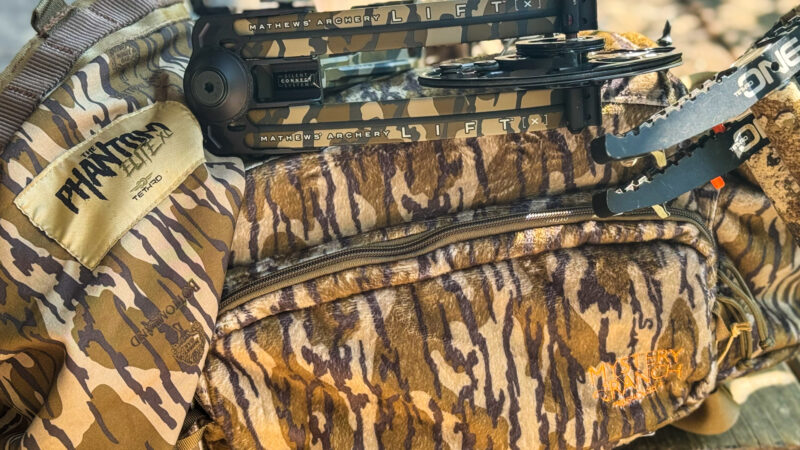
Breaking Down the Minimalist Pack
The first step in building a minimalist bowhunting kit is reevaluating your pack. Too often, hunters grab the biggest bag they own and fill it to the brim simply because the space is there.
Instead, try working backward: think about the essentials you truly need for a half-day or full-day sit, then choose the smallest pack that will carry them comfortably.
This may mean downsizing to a slim daypack or even a fanny pack, which forces you to prioritize. Essentials like a knife, rangefinder, tags, compact binos, and a small snack should always make the cut, while extras like multiple grunt calls, extra clothing layers, or a backup flashlight might not.
By mentally reframing your kit around need versus convenience, you’ll trim unnecessary weight and find your system far more manageable in the field.
Compact Bows and Lightweight Accessories
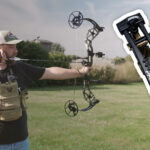
Your bow itself is a major piece of the weight puzzle. Today’s compound bows are being engineered shorter and lighter while still delivering the same speed and accuracy of full-sized rigs.
For the minimalist, a compact bow makes maneuvering in tight treestand setups or when saddle hunting significantly easier, and it reduces fatigue when you’re hiking in or out.
Just as important are the accessories you choose. A lightweight, streamlined sight with fewer bulky adjustments, a compact quiver that hugs tight to the riser, and a smaller stabilizer can all shed ounces without sacrificing function.
The goal is to build a setup that feels balanced in hand but, doesn’t carry any unnecessary bulk. Hunters who embrace a minimalist bow setup often find themselves shooting more confidently simply because the rig feels lighter and more manageable.
Saddle Hunting and Ultralight Stands
When it comes to treestand setups, this is where weight savings can really add up. Saddle hunting has exploded in popularity because it allows hunters to go incredibly light without giving up effectiveness.
A saddle, climbing sticks, and a small platform can weigh less than half of a traditional hang-on stand setup and can be packed down to almost nothing inside or outside your pack. For those who prefer traditional treestands, the good news is that modern ultralight hang-ons and aluminum climbing sticks are a far cry from the heavy steel setups of the past.
These new stands shave pounds while maintaining strength and safety, making them ideal for mobile hunters who like to bounce from tree to tree in search of fresh sign. Whether you choose a saddle or an ultralight stand, the bottom line is this – if you’re still lugging a 25-pound steel treestand through the woods, you’re carrying more than you need to.

Optics and Essentials
Optics are another place where minimalist hunters can trim weight without compromising performance. In thick whitetail timber, a massive pair of 12x binoculars is overkill. Instead, a smaller pair of 8x or even compact 10x binos can do the job just fine and tuck easily into a chest harness or jacket pocket. Some hunters are even swapping their binos out for a monocular when long-range optics aren’t necessary in the timber or thickets.
The same goes for other accessories. Do you need a large fixed-blade knife, or will a small folding knife accomplish the same tasks with half the bulk? Does your pack really need a full survival kit for a four-hour evening sit, or would a small first-aid pouch cover the basics?
Minimalist bowhunters learn to evaluate each piece of gear through this lens: Does it earn its weight? If it doesn’t, it gets left behind. Streamlining your optics and essentials not only saves weight but also keeps you organized and focused when it’s time to make a move.
Can You Fit It All in a Fanny Pack?
Perhaps the best test for whether you’ve truly embraced the minimalist approach is this: could your entire kit fit in a fanny pack? For many bowhunters, the answer is yes.
When you boil your needs down to the bare essentials—license, knife, compact binos, rangefinder, a small flashlight, calls, and maybe a snack—you quickly realize that a big backpack isn’t always necessary.
Pair that with a compact bow and either a saddle setup or lightweight stand strapped to the outside, and you’re ready to hunt without the burden of extra gear.
Of course, not every situation will allow for such a stripped-down loadout, but the exercise of thinking, “Could this all fit in a fanny pack?” helps highlight how much gear we often carry just out of habit rather than necessity.
What about you? What gear can you live without, and what gear can always be found in your pack, every time you hit the woods?
Comment below and let us know.