Turkey hunting is a game of chess played in the dirt, and more often than not, we lose because we assume the bird is following our script.
If you’re walking out of the woods empty-handed, it’s likely because you fell for one of these five common misconceptions.
1. The Roost is a Lock
Watching a bird fly up at dark is a confidence booster, but it is rarely a guaranteed kill. Don’t fall into the “roosted is roasted” trap only to find an empty limb at sunrise. Never assume he is on the same branch where you left him the night before.
A lot happens overnight. Weather shifts, a wandering coyote, or a Great Horned Owl can bump a bird to a different ridge before daybreak. He might even just have a change of heart and pitch down the opposite way. Always have a Plan B ready for when a gobbler goes off-script.
2. Flydown is the Best Time to Kill
We all live for the first light gobble, but flydown is often the hardest time to bag a bird. He’s usually surrounded by hens and has zero reason to leave them for a stranger. The old adage, “a bird in hand is better than 2 in the bush” seems to be the mindset wild turkeys hold to as well. The real magic happens midday.
“10 to 2 is actually the best time to kill your turkey. Up in the day, when he’s lonely and looking for love”
-Brodie Swisher, World Champion Game Caller
If your schedule allows, stay in the woods for the midday shift.
3. Silence Means Absence
A quiet morning in the timber can be soul-crushing, but tight-lipped birds are still in the game. It is a mistake to assume the woods are empty just because you aren’t hearing a ruckus. Some of the most successful hunts happen on the days when the birds aren’t talking at all.
All sorts of factors can shut a gobbler down. Heavy fog, a sudden cold front, or high pressure from local predators can make a bird go silent. When the woods go quiet, sit tight and stay patient. Go soft on your calls and give that silent longbeard time to work his way into your setup.
4. Excited Calling Brings Him Closer
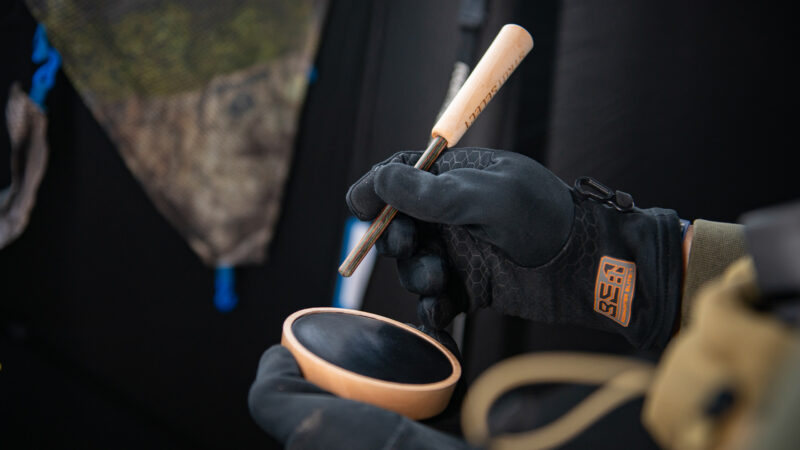
It’s natural to want to “cut” at a bird to keep him fired up, but aggressive calling often works against you. In nature, the tom gobbles and the hen comes to him. When you get too loud, he’s likely to hold his ground and wait for you to show up. Tone it down.
Use soft, subtle yelps to play hard-to-get and force him to bridge the gap. You want to sound like a content hen that is busy feeding and has no intention of traveling to meet him.
5. You Need to Get "Just a Little Closer"
We’ve all been tempted to sneak up one more ridge or crawl to that next big oak. Most of the time, that move is fueled by a lack of patience rather than tactical necessity.
Before you shift positions, consider the cost of getting busted. More birds are saved by a hunter’s boots than by their calling.
Final Thoughts
If you want to be more successful in the timber, you have to throw out the script and react to what the birds are actually telling you.
By slowing down, staying patient, and avoiding these five common traps, you give yourself the best chance at a heavy vest when you finally hit the truck.
A Full-Time Marketing Manager at Bowhunting.com and Rhino Group, Mike is an avid outdoorsman, videographer, and photographer living in Northern Minnesota on the edge of the Boundary Waters Canoe Area Wilderness with his wife and son.