The use of drones in the deer woods is easily one of the most controversial topics among hunters these days. Some love and appreciate the idea of allowing drones for deer recovery, while others seem to scorn and shame anyone pulling such a stunt.
But it’s not just hunters that seem to be all over the place regarding the issue of drones for deer recovery. There are plenty of state wildlife agencies across the country that can’t seem to decide where they stand, as well.
Some states permit the use of drones for deer recovery while others prohibit the practice. Yet, in most states the tactic seems to be a gray area.
In fact, you won’t likely find drones addressed in the hunting regs for most states. Rather, they tend to fall under “electronic devices” for any game warden wanting to write a ticket.
And that’s the route Pennsylvania game wardens took when they set up an undercover sting operation on Joshua Wingenroth, a deer drone recovery operator and owner of Wingy Drone Services.
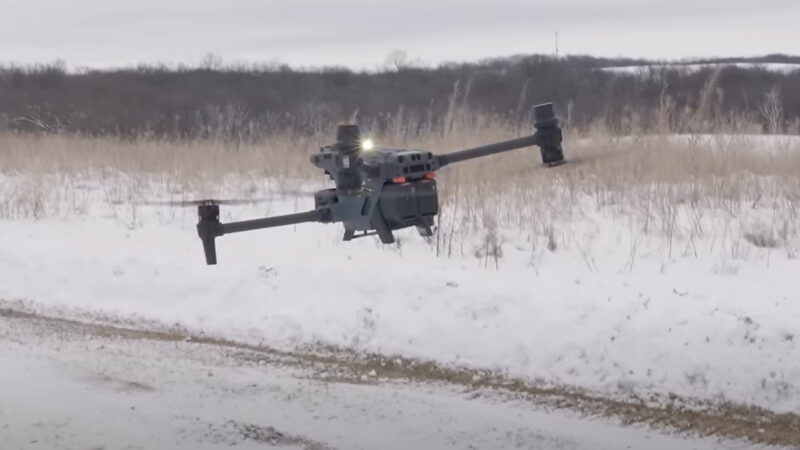
Joshua Wingenroth, of Downingtown, Pennsylvania, was previously found guilty during a summary trial of two counts of using illegal electronic devices during hunting, disturbing game or wildlife, and violation of regulations on recreational spotlighting.
These charges all stemmed from a sting operation with undercover agent conducted by the Pennsylvania Game Commission in December 2023.
Bottom line, Wingenroth was charged with multiple violations under the Pennsylvania Game and Wildlife Code for using a drone to assist in the recovery of a deer that a hunter claimed he shot but could not find.
Ironically, that hunter turned out to be an undercover Pennsylvania Game Warden. According to Wingenroth’s attorney, Michael Siddons, the undercover officer lured Wingenroth from Chester County to Lancaster County as part of an undercover operation specifically to catch him using a drone.
According to the Pennsylvania Game Commission, using a drone to aid in the recovery of downed game is illegal. A summary trial was held on February 22, 2024. At the summary trial Wingenroth was found guilty on all counts.
However, Wingenroth claims he had contacted PA Game & Wildlife prior to using the drone. Wingenroth says he was told by the department (on a call that was being recorded for quality assurance purposes) that he could use the drone for deer recovery.
So that’s why he appealed the charges to the Lancaster County Court of Common Pleas. A Summary Appeal trial was held on January 16, 2025 before the Honorable Margaret C. Miller.
Through that appeal, it was discovered that the Pennsylvania Game Commission had withheld possibly exculpatory evidence (the recorded phone call) against the defendant – a Brady Rule violation.
A Brady Rule violation occurs when a prosecutor fails to disclose evidence that is favorable to the defendant.
As a result, the judge dismissed all charges against Wingenroth and ordered the return of the drone that had been confiscated by the Pennsylvania Game Commission.
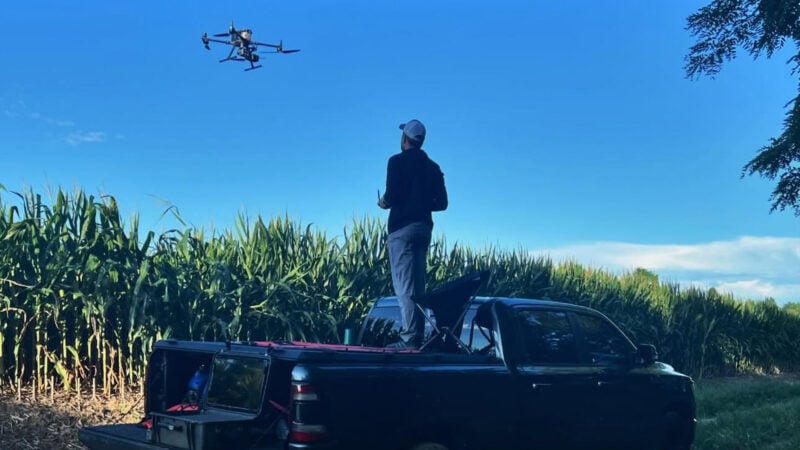
Interestingly, while the case resulted in a dismissal of charges against Wingenroth, the court did not reach a decision on whether or not the use of a drone to recover downed game is permissible under the Pennsylvania Game and Wildlife Code or whether tracking of game at night (without a weapon) is permissible without first contacting the Pennsylvania Game Commission.
Until solid regulations are in place for the use of drones, hunters are cautioned against their use. Game wardens are likely to continue writing tickets for anyone using drones in the state.
At least that’s what they indicated in the statement below regarding the Wingenroth case…
“While the Game Commission values the Court and its ruling, we strongly disagree with the assertion that any procedural rules were violated. To the contrary, the Game Commission’s investigation in this matter, as well as the Commonwealth’s representation of the facts in court, were consistent with the rules applicable to summary proceedings. Drones remain unlawful for hunting use, including for tracking, based on the law’s broad prohibition on electronic devices.”
Following the incident with Wingenroth, state Senator Jarrett Coleman, R-Lehigh, introduced legislation to make the use of electronic aids, including drones, lawful for game recovery. Coleman cited Wingenroth’s situation as a reason for the legislation.
The legislation never made it to the floor for a vote, but Coleman says he will reintroduce it again this session.
What are your thoughts on this case? Should Wingenroth be entitled to receive compensation for money lost in court battles? And what about the money and opportunities lost while the state held his drone for over a year?
Maybe there’s more to the story coming in the days ahead?
Comment below, and let us know your thoughts.
Hear the complete story from Wingenroth in the video below…