How do you feel after the rut is over and you still haven’t filled your buck tag? Are you filled with disappointment and negative attitudes, or do you still have hope and confidence in the late season?
After a decade of late-season successes, I can happily say that you should feel the latter. Bucks can be killed in the late season; we see evidence of it every year, but you have to shift gears.
This isn’t the rut anymore. Chaos is traded for routine. Sexual hunger is traded for physical hunger. Opportunistic attitudes become recovery attitudes. Basically, everything has changed.
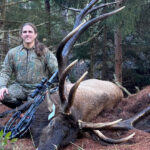
I can vividly remember harvesting my first mature, late-season buck. I didn’t know the information about deer hunting that I do now, but when I look back in retrospect, everything that needed to happen for success happened.
It was December 27th, and a major cold front was slated to hit Northeast Arkansas. Temps were to drop below 20 degrees for the high for several days, and I was going to get the perfect Northerly wind for my hunting setup.
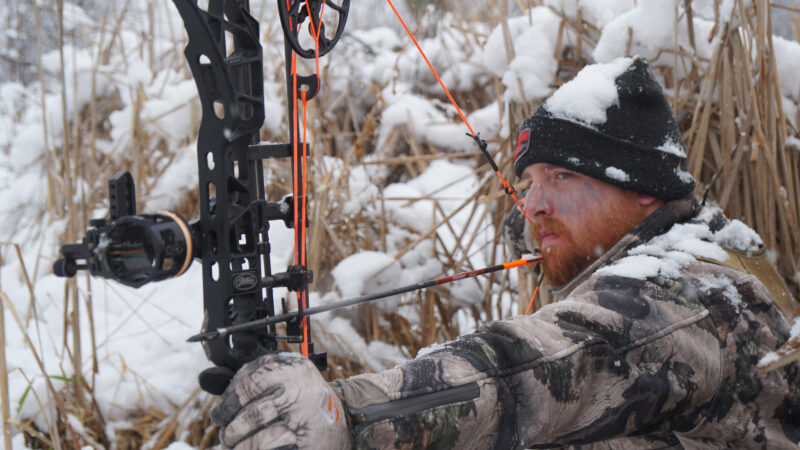
The setup I would be targeting was a mid-sized wheat and turnip food plot along the downwind edge of a cypress-choked draw where deer consistently bedded. The temperatures dropped significantly since the rut and bucks were flowing into this area like crazy.
Needless to say, I slipped into my stand around 1:30 pm. The high sun provided a welcome warmth, cutting through the frigid air. Deer activity was high that day, and fortunately for me, so was buck activity.
About an hour before dark, a nice, mature 10-point climbed out of the bedding area and started towards the food plot. To make a long story short, he ended up slowly making his way into the opening and presented me with a nice broadside shot right on the edge of the food plot.
The rest was history. I didn’t realize at the time what all the factors had to come together for me to find success that day, but in the many years I’ve hunted since then, it has become quite evident.
Like I said earlier, when the page turns from the rut to the late season, the same tactics and emphases don’t cut it. You have to make a change. Here is how you kill a late-season buck.
Understand Late-Season Deer Needs
It is basic knowledge that a buck needs four things to thrive: water, food, security, and sex. In the late season, one of those is off the table, and two rise to the top quickly.
Food and security cover are the name of the game now. Bucks are depleted from the intensity of the rut and are more vulnerable than ever. Because of this, bucks are more sensitive to weather fronts and limit daylight movement.
This is a time of the season when many bucks fall victim to the trials of the rut and die. That’s how important late-season needs are. If you can understand this fact and the need for hunter adaptation, then you can proceed to hunting late-season bucks.
Look for Active Food Sources
In the late season, a buck’s whole world revolves around food. Without a high-energy food source, a buck can’t expect to make it through the winter. Deer will often be found in leftover crop fields or areas where the farmers couldn’t harvest every row.
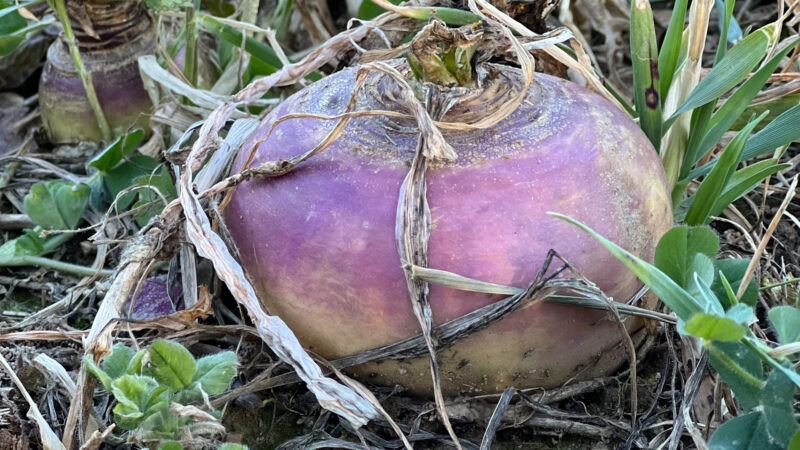
Standing corn and soybeans will provide the deer with everything they need. If that is not available, green food sources like winter wheat or brassica plots will fill that need.
If the area you hunt doesn’t offer those, then search for leftover acorns, honey locusts, and other natural browse. This will take some scouting.
The key is to find the active food source. Just because you find a small patch of green doesn’t necessarily mean you should hunt over it. Also, pay attention to your entry to the food source. Without good access, it may be unhuntable.
Find Thermal Cover
Now that we have covered the all-important aspect of food, the second half of the equation is bedding cover. This time of year, bedding cover isn’t usually just a thicket. Bucks require more out of their bedding areas at this time.
Areas with high stem counts, such as hedge rows, cedar thickets, and pine thickets, will attract deer. This is because of their thermal properties. High stem coverage means a wind break. Staying out of the wind is what keeps depleted bucks from freezing to death this time of year.
Deer will also focus on leeward ridges for the same reason. If they can find both of those things, plus some sunlight exposure, all in the same bedding area, then they have hit the jackpot. If you, as the hunter, find one of these areas adjacent to an active feeding source, then you have hit the jackpot.
Move Trail Cameras and Utilize Intel
Similar to early-season hunting, pattern recognition and capitalization are key to filling your tag. Move those cameras that are covering funnels and other rut sets to active food sources and trails from bedding to food.
Cellular cameras are almost a must at this time of year because limiting intrusion is incredibly important. If you bump a buck off the property this time of year, there is a good chance he doesn’t come back.
Don’t just use the pictures that you capture for inventory purposes. Pay close attention to the time of day and direction of travel. Bucks will develop a pattern again this time of year, and by analyzing cell phone camera pictures, you will be able to recognize and hopefully capitalize on it.
Know How to Hunt the Weather Fronts
Cold fronts have been the green flag signal all year. Guess what, they still are. They do, however, signal a distinct change in deer behavior. While a cold front during October or November will entice bucks to get on their feet in search of does, one in the later months will signal they need to feed.
Pay attention to gentle warm-ups, too, after frigid temps; it could have the same effect. Don’t ignore aspects like cloud cover and high-pressure blips either. They could produce some of the best hunts of the season.
Deer have to feed heavily this time of year, but are instinctually obligated to time that feeding around weather fronts.
Lastly, Don’t Lose Your Fundamentals
It’s easy to feel the weight of a tough season at this point. The key, however, is not to let it affect your hunting. Anxiety and disappointment say, “I have to get the job done now.” Well, there’s a good chance that “now” is not the right time.
I still wait on good wind conditions for access and on-stand concealment. I also try not to overhunt and put extra pressure on the deer. I stay out until everything is perfect. It’s the small things that lead to consistent success.
Practice good access, shoot your bow, and don’t get overeager. These are the practical fundamentals of bowhunting. Don’t let a little pressure or laziness make you overlook them – even in the late season.