One of the most exciting ways to kick off bow season each year is the pursuit of a velvet buck in one of the handful of states that make it possible. Velvet buck hunting opportunities are growing each year as more and more states add a specific weekend to the calendar allowing hunters to capitalize on the chance at a velvet buck.
But despite what you may have heard, the opportunity at a velvet buck won’t come easy. Whether you’re glassing bachelor groups in open country, slipping through timber, or saddled to a tree, preparation is key. You need the right tools for success to make it happen.
Here’s a breakdown of the best gear to ensure your velvet buck hunt is a success this season.
Bino / Spotter / Tripod / Phone Scope
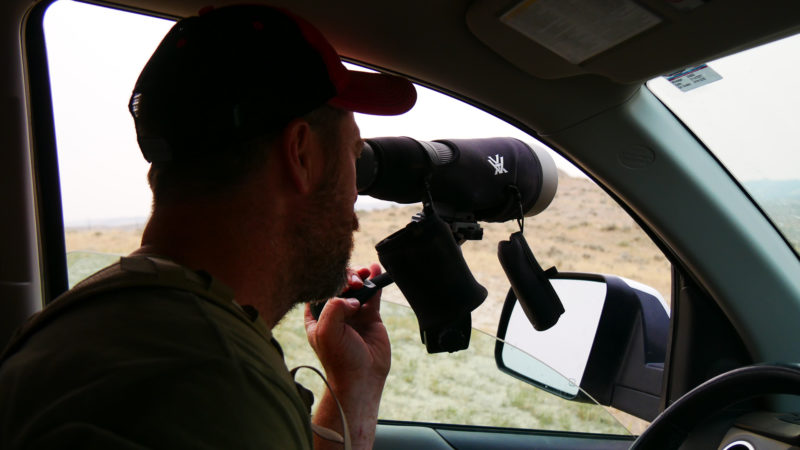
Early season velvet hunts are defined by observation. Bucks are visible, feeding in daylight and sticking to summer patterns. That means your optics setup is your most important scouting tool.
Scout from a distance with these high-powered optics tools designed to bring you closer to the game you’re after. But the key word is, “distance.” Don’t blow it by trying to setup too close. Let your optics do the work for you.
- Binoculars: A high-quality pair of 10×42 binoculars offers a perfect balance of magnification and field of view. Brands like Vortex, Leupold, and Swarovski offer clear glass that lets you pick apart bedding areas and food sources without spooking game.
- Spotting Scope: In open country or ag field settings, a spotting scope gives you the detail needed to judge antler quality at a distance. Something in the 20-60x range, paired with ED glass, will allow you to count tines and confirm that the buck you’re watching is worthy of a tag.
- Tripod: A lightweight carbon-fiber tripod is essential for steady glassing. Adjustable legs let you go prone or sit comfortably behind your glass for hours. Look for smooth pan heads for tracking moving deer.
- Phone Scope Adapter: Capturing footage through your spotter isn’t just about bragging rights—it’s a practical scouting tool. Reviewing footage lets you track patterns, share intel with hunting buddies, and study movements without disturbing your target.
Rangefinder
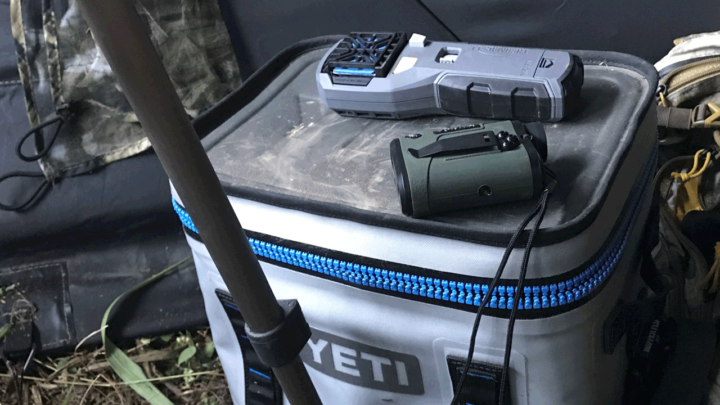
Sticking with the optics category, a quality rangefinder is a great tool to have in your pack, particularly when hunting velvet bucks. Distance judging on a buck standing in a bean field can be tough. They often look much further – sometimes closer – then what they appear. Judging distance in the late evening can be tricky. A rangefinder with angle compensation is essential, especially if you’re hunting from a saddle or stand.
Look for one that’s fast, compact, and capable of ranging beyond 500 yards. The Vortex Razor HD 4000 and Leupold RX-FullDraw are popular among bowhunters, especially for their archery-specific modes and brightness in low light.
Mobile Hunting Setup
Mobility is king in early season. Bucks aren’t yet pressured, but they’re sensitive to disruption. You need a quiet, lightweight mobile setup that allows you to slip in and out of stand locations based on real-time intel.
This is not the time to be hauling loud and clunky ladder stands or other setups that cause a raucous. Go with your fast, easy and quiet treestands that allow you to get in and out with minimal disturbance.
- Climbing Stands: Classics like the Summit Viper offer fast, easy setup and comfort for long sits.
- Hang-and-Hunt Systems: Lightweight hang-ons from Elevate and Lone Wolf Custom Gear paired with lightweight stacking sticks, are perfect for fast setups on heavily traveled entry and exit trails.
- Saddle Hunting Gear: The saddle hunting setup is lightweight and sets up quick and easy. It’s the ultimate in micro-light, run-n-gun gear that packs easy and allows you to hunt most anywhere.

Permethrin
Velvet buck season is also tick and mosquito season. These nasty suckers will run you out of the woods, if you’re not prepared. Be sure to treat your clothes with Permethrin before the hunt. This insecticide binds to fabric, killing ticks and mosquitoes on contact.
You can buy products like Sawyer’s Permethrin at your local sporting goods store, hardware store, or Walmart. Or, you can make your own by purchasing and mixing concentrate from your local farm supply store.
Be sure to treat your socks, pants, base layers, and even your saddle gear in the days prior to your hunt so they have time to dry.
Thermacell
Another great tool for doing battle with mosquitoes is the Thermacell. In fact, you might consider this essential gear for early season hunts. It’s designed to create a 15’x15′ zone of protection from mosquitoes around your stand.
Regardless of how tough you think or feel you are, going into the woods without protection from mosquitoes is not a wise choice. The Thermacell is a hunt saver, no doubt.
The device easily attaches to your belt, pack, stand, or you can hang it from a branch. And don’t forget the refills! The mats and fuel last about 4 hours. Store them in a Ziploc to keep them dry and odor-free.
Kill Kit
Early season success means quick action is critical—especially to preserve velvet antlers and meat in the heat. A well-packed kill kit ensures you’re prepared. But you also need a plan of attack for when you punch your tag.
Can you get the meat back to the truck in a timely manner? Do you have the necessary items to protect velvet antlers from being transported?
- Knives & Blades: Replaceable blade knives allow for quick, precise field dressing.
- Gloves: Nitrile gloves protect you from ticks and allow for cleaner processing.
- Game Bags: Lightweight synthetic game bags like those from Argali or Caribou Gear keep meat clean and cool and allow airflow.
- Paracord or Drag Strap: Useful for hauling deer or hanging quarters in shade.
Cooler and Velvet Buck Plan with Taxidermist
You’ve arrowed a velvet buck—now what? Preservation starts immediately. Heat and time are your enemies.
- Cooler: A high-quality rotomolded cooler (Yeti, RTIC, Grizzly) pre-chilled with ice or frozen water jugs is essential. For early season hunts, a cooler large enough to fit a whole cape and meat is non-negotiable.
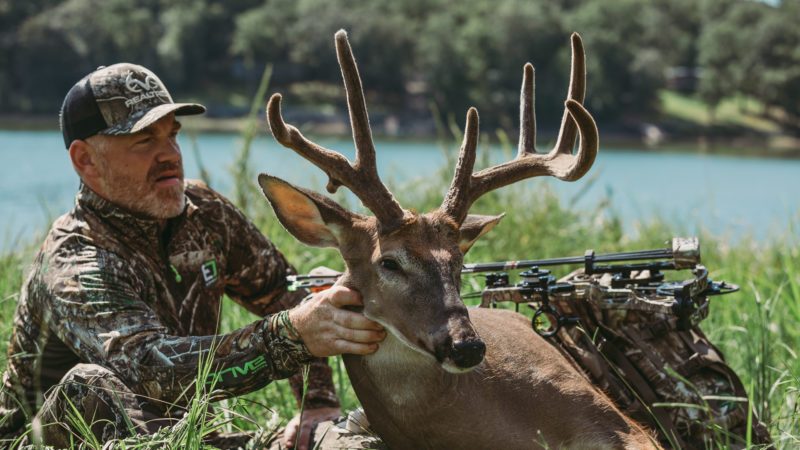
- Antler Preservation: Velvet is delicate and prone to rot. Contact your taxidermist before the season. Ask about field care—some prefer you to freeze the entire head; others will inject and preserve it for you. Wrap velvet antlers in bubble wrap and secure with duct tape for protection for the ride/drag/haul out of the woods.
- Field Cape Care: Minimize blood on the hide, keep the cape cool, and avoid dragging the deer on rough terrain to preserve the mount quality.
- Meat Storage: Place quarters on ice in a breathable manner. Keep the cooler lid cracked to prevent the meat from soaking.
Final Thoughts
Hunting velvet bucks is one of the most exhilarating and rewarding pursuits in archery. The warm weather, visible deer patterns, and limited hunting pressure make it an ideal time to tag a mature buck—if you’re prepared.
Your gear doesn’t need to be complicated or expensive, but it must be suited for mobility, stealth, and early season conditions.
From your first glassing session to the moment your arrow finds its mark, each piece of gear should support a well-thought-out plan to hunt smart, stay undetected, and care for your hard-earned prize.
Invest in the right tools, scout with intention, and when the moment comes, execute with confidence.