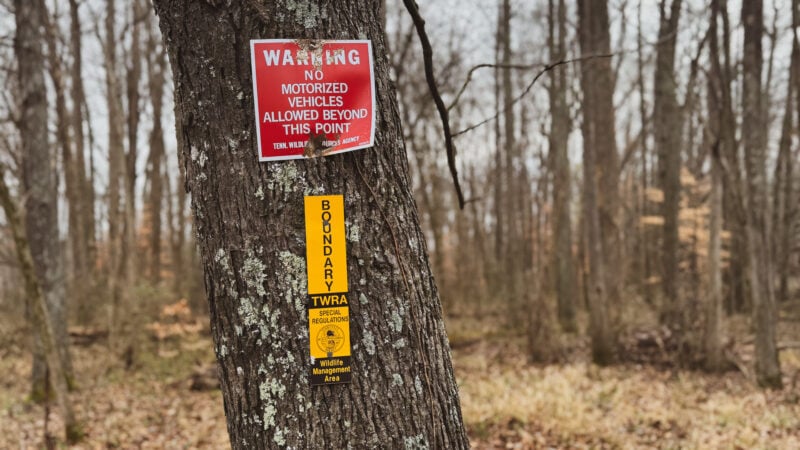
Public land is where the average hunter earns it. There’s no food plots waiting to draw in deer, no designated stands, and no guaranteed solitude. It’s wild, unpredictable, and often filled with more people than animals — or at least it can often seem that way.
And that perception leads to the endless list of excuses we all hear (or have used ourselves). But the truth is simple: every year, hunters consistently kill big bucks and fill freezers on public land. They do it while facing the same challenges as the rest of us. So what separates success from frustration?
Mindset. Effort. Adaptability.
Let’s break down the most common excuses public-land hunters make — and what to do instead.
“There are Too Many Hunters.”
Sure, public land gets crowded. Parking lots fill before daylight. You run into other hunter far too often. But consider this: deer don’t leave public land just because hunters show up. They adjust — and the successful hunters adjust with them.
They key is to turn it into an advantage. Use pressure to predict deer movement. You’ll find deer often shift to overlooked pockets nearby. When you can, hunt during the week, afternoons and during the late season. This is when you’ll find hunting pressure to be the least.
Go deeper, stay longer, and hunt like nobody else.
More hunters doesn’t mean fewer deer — it means the deer move smarter. So should you.
“Someone Took My Spot.”
If one stranger can “ruin” your season, the spot wasn’t that special. Successful public hunters don’t rely on a single pre-hung stand and two trail cams. They have plans A through Z.
Never walk in the woods without multiple backup spots in your pocket.
Scouting isn’t one-and-done — it’s a constant process. If someone’s already there, shake hands, wish them luck, and move on. You might even find something better.
“There Aren’t Enough Places to Hunt.”
The United States has millions of acres of public land. States across the country are expanding access every year. But many hunters drive past public parcels because they’re too small, “don’t look good,” don’t have obvious food or water shown on a map, or they’ve never heard about the place from scouring social media or YouTube.
Truth is, these spots often hold the least pressured deer.
The more land you scout, the more you realize you have options — and opportunities.
“Somebody Stole my Trail Camera."
It happens — and it stings. Nothing ruins trust and motivation like theft. But cameras aren’t required to hunt deer. Old-school woodsmanship kills deer even when technology is not involved.
If cameras help you scout — hang cheap ones higher or in trickier spots. But don’t depend on them.
Sometimes the best intel is the sign you find with your own eyes — fresh tracks, rubs, and trails don’t lie.
“There Aren’t Enough Deer.”
In some regions, sure – populations are lower because of habitat or herd management. But often, it’s not that deer are scarce, it’s that they aren’t where hunters expect them to be.
Keep in mind, pressured environments find deer moving more at midday than sunrise. You’ll also find them living closer to roads and towns than deep backcountry. And always watch for pattern changes the moment pressure changes.
Bottom line – learn to adapt and you’ll kill more deer. Stubbornly sitting in the same lousy location will only leave you frustrated.
“Big Bucks are Smaller on Public Land."
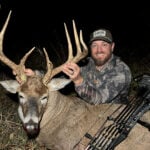
Big bucks are 100% killable on public land. Every year, public giants go viral — but the people who kill them aren’t sitting around doubting the genetics of a zip code, or playing the public vs. private buck size game.
Quality comes from age structure, habitat and smart hunting pressure. These can be found on both public and private land. Yes, you’ll likely have to work harder on some public lands. But it can happen. Big bucks are there.
Where there is cover, there are older deer. And they get killed by hunters who believe they exist.
“There’s Not Enough Access.”
Limited access doesn’t mean limited opportunity — it just funnels deer and hunters into predictable patterns. If you learn those patterns better than anyone else, you win.
Sometimes the best hunts happen around a single parking lot, not far from the truck. They happen a short walk from the boat. And they happen in the smallest chunk of woods for miles around.
It’s not how much land you have — it’s how well you understand what’s there and how to access the ground you have to work with.
Final Thoughts
Public land doesn’t owe you success. Public land offers you a chance — and for savvy hunters, that’s all that’s needed.
Adapt. Work harder. Explore more. Scout smarter. Push further.
The buck you want is out there. Whether you find him depends on the steps you take to make it happen.
Brodie Swisher is a world champion game caller, outdoor writer, seminar speaker and Editor for Bowhunting.com. Brodie and his family live in the Kentucky Lake area of west Tennessee.