Hunting is one of the safest outdoor sports in America — statistically safer than golf, cycling, and even bowling. That’s thanks to decades of education and responsible firearm hunter-safety programs nationwide. But accidents still happen every year, and many of them are entirely preventable.
Understanding the most common causes of hunting-related injuries can help every hunter be more aware, more prepared, and much safer in the woods. Below are the leading incident types — and practical tips to avoid becoming part of the statistics.
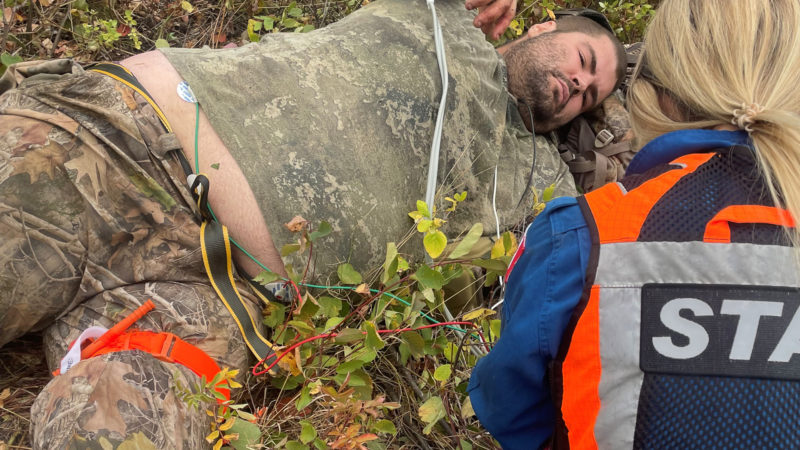
Treestand Accidents — The #1 Cause of Hunting Injuries
Treestands give hunters a better view and help control scent — but they also bring the greatest risk. A slip, a faulty strap, or a moment of carelessness can turn a hunt into a life-changing incident.
How it Happens:
Climbing up or down without a safety harness
Damaged straps or platforms
Falls while entering/exiting the stand
Improper use of climbing sticks or ladders
How to Prevent It:
Always wear a full-body safety harness — from the ground up and back
Use a lifeline/lineman’s belt when climbing
Inspect straps and cables before every season
Replace weather-worn equipment immediately
Maintain three points of contact while climbing
One slip at 20 feet can mean a broken back, paralysis, or worse. A $50 harness can save your life.
Firearm-Related Incidents
Firearm accidents make headlines, but they’re actually far less common than falls. However, when they do occur, they are often severe or fatal.
How it Happens:
Improper muzzle control
Hunters tripping with a loaded firearm
Shooting without identifying the target or what’s beyond
Climbing obstacles with a loaded gun
How to Prevent It:
Treat every gun as loaded
Keep the muzzle pointed in a safe direction
Keep your finger off the trigger until ready to shoot
Positively identify your target and background
Heart Attacks and Health-Related Emergencies
Hunting can be physically demanding — dragging deer, climbing ridges, wading swamps, and long hikes with heavy packs. Many hunters are older, less active, or pushing beyond their fitness level.
How it Happens:
Overexertion
Cold weather stress
Undiagnosed heart conditions
Prevention strategies:
Know your physical limits
Train and stay active before the season
Bring necessary medications and let partners know where they are
Stay hydrated and fueled
Take breaks to rest
Slip, Trip, and Fall Injuries
Even on the ground, hunters deal with uneven terrain, ice and snow, muddy creek crossings, and climbing over and around deadfall and brush. We don’t think much about these obstacles and conditions until things go south.
These injuries may seem minor, but sprains or fractures can turn serious when help is far away.
How to Prevent It:
Wearing boots with proper traction and ankle support
Using trekking poles if conditions are slick
Planning safe routes in poor visibility
Keeping gear organized to avoid tripping
Broadhead and Knife Injuries
Field dressing accidents happen quickly and can cause deep, dangerous cuts. Broadheads and hunting knives are incredibly sharp and often used in awkward angles and positions.
How it Happens:
Cutting toward the body
Rushing the process
Not securing the animal properly
Handling broadheads carelessly
How to Prevent It:
Wear a cut-resistant glove while cleaning game
Keep blades sheathed when not in use
Go slow and maintain control of every cut
Weather and Exposure Issues
From heat exhaustion on early-season hunts to hypothermia on late-season sits, weather can be a silent threat. Lightning strikes were to blame for a number of hunter deaths in 2025 alone. The elements can be a beast. Are you prepared to handle it?
How it Happens:
Hypothermia from wind and moisture
Dehydration and heat stroke in warm climates
Frostbite during long sits
How to Prevent It:
Layered clothing appropriate for the season
Extra water and emergency snacks
A charged phone and basic first-aid kit
Fire-starting tools for backcountry hunts
Final Thoughts
Every hunter heads into the woods with high hopes — but safety must come first, always. Treestand falls, bow or gun mishandling, and health emergencies can be prevented with preparation and awareness.
Before each hunt, ask:
Is my gear safe?
Am I physically ready?
Do I have what I need if something goes wrong?
Does someone know where I’m going?
Hunting gives us adventure, challenge, and memories that last a lifetime. Let’s make sure those memories are good ones.
Stay safe. Hunt smart. Come home.