As hunters, we frequently emphasize the importance of recruiting the next generation to safeguard our cherished tradition. Yet, a crucial question arises: do our actions truly align with these sentiments?
A quick glance at social media reveals a shift in focus, with many hunters seemingly prioritizing trophies and personal recognition over the enduring heritage of the hunt.
This begs the question: is our pursuit driven by a genuine love for tradition, or has it become a competitive endeavor? Hunters, often characterized by their passion and strong opinions, can sometimes exhibit behaviors that hinder their ability to mentor new enthusiasts and welcome them into the fold.
Understanding the roots of these behaviors is essential if we hope to foster a more inclusive environment and ensure the continued growth of hunting.
Influencing Factors
In my opinion, there are three main factors today that contribute to hunter’s drive to head to the woods each fall. These are: T.V., Social Media, and the In-Person interactions from other hunters.
Both T.V. and social media platforms influence hunters on a large scale, but can do so in different ways, some positive while others I believe to be negative.
The in-person interaction hunters can have is normally on a much smaller scale, but I believe can have a more lasting impact. Below we will dive into each.
Hunting Shows
It’s nearly impossible to speak to a deer hunter now-a-days that hasn’t watched or currently watches one or more of the many hunting shows on T.V.
Although entertaining and sometimes informative, television hunting shows have a tendency to push hunters to have unrealistic expectations.
The publicization of hunting has really changed hunting from what used to be more of a tradition and has now become a competitive sport for many. In the past, the hunting tradition was alive and well in front of the lens. There seemed to be more focus on the method than a measurement of bone. The camaraderie in hunting camp is what drew us in. We wanted to live vicariously through the hunters in those days.
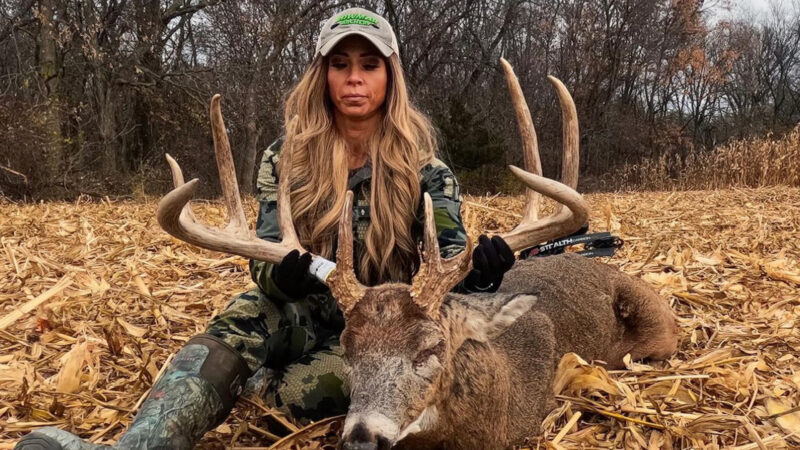
These days, hunting TV has changed. The attitudes and egos seem to be thick among “TV hunters.” There seems to be far less emphasis on the team effort and hunting camp and more spotlight on self and an individual’s drive to bag the biggest buck in town. The shift to a more competitive style of hunting and programming has taken center stage.
Unfortunately, this competitive mentality is what really makes it challenging for new hunters to get started. It seems like the majority of hunters want to harvest trophy bucks and gain recognition, like the celebrities they watch on T.V.
And when it turns to competition, there will be a winner and a loser.
In this scenario, the new hunter or the person who might want to get into hunting oftentimes becomes the loser because experienced hunters are often too concerned about their own quest of harvesting a trophy buck and gaining recognition.
Hunters, both new and experienced, tend to see celebrities hunting a certain way and begin to think that is the only way to hunt if you want to harvest big bucks, when in reality, there are a multitude of different styles of hunting that are effective.
Celebrity hunters have sponsors they must keep happy, and anytime sponsors or money is involved, the realism and authenticity can change in a hurry.
Fortunately, YouTube delivered a fresh approach for hunting shows of all styles, formats and budgets to showcase their content. For many, this has been a much needed alternative to Outdoor TV. It’s brought the return of real and raw hunting content to the hunting community.
Ironically, those “celebrity hunters” that once seemed to scoff at the YouTube platform are now jumping at the chance to create YouTube channels to stay relevant to the masses that now consider it the platform of choice for hunting video content.
And as these network TV shows transition to YouTube, they tend to bring their network TV flavor with them. The bad will no doubt find its place among all the good.
Fortunately, options are seemingly endless on YouTube. You simply keep scrolling to find the content that’s right for you.
Social Media
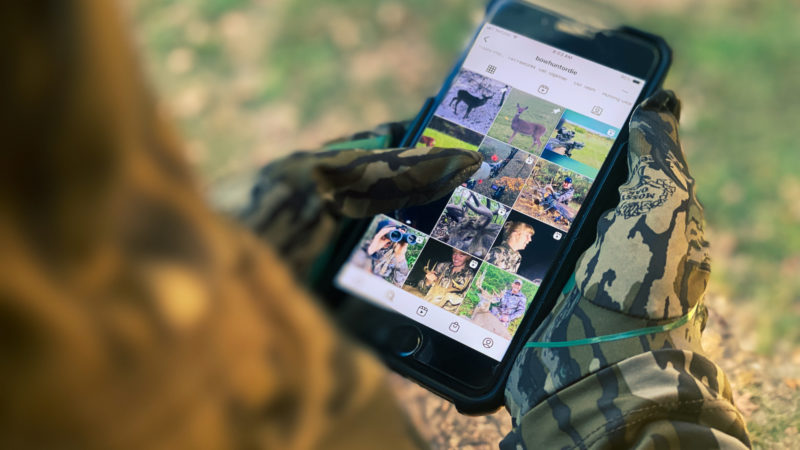
Social media is a great platform that allows hunters to stay connected with friends and family and share/gain knowledge and experiences, but it also gives certain hunters a platform that allows them to be rude, condescending and critical of fellow hunters without fear of consequences.
This behavior is evident on just about every hunting group or page that I have visited, and it can really have a negative impact on new or inexperienced hunters. Every year I see a new or inexperienced hunter that posts pictures of their harvest only to be slammed by these social media bullies.
Comments degrading a hunter’s harvest or choice of weapon such as “you shouldn’t shoot a young buck,” or “that would have been a nice one in a couple of years,” or “no able bodied person should be allowed to use a crossbow,” are extremely common.
It’s unfortunate, but it becomes obvious that these comments take their toll on newer and less experienced hunters by the way they preface their posts by saying things such as, “I know it’s not the biggest, but…” or “this was the only deer I saw, and I needed meat.” The younger generation of hunters obviously feels compelled to make excuses for anything less than what the social media monster deems acceptable.
In-Person Influence
Unfortunately in-person interactions are likely the least common these days because of technology, but they are still extremely important. Just like dealing with a salesperson, it’s always much easier to dismiss them when that interaction occurs over the phone, via email, etc. than when that interaction occurs in person.
These in-person interactions can potentially make or break a new hunter’s interest in hunting, regardless if they occur while hunting, at a check-in station, meat locker, etc.
Some of the more common negative in-person interactions I hear about or have experienced myself are ones that occur between hunters who have differences in hunting styles or goals. Again, just look at the endless debates over crossbows…or public land for that matter.
The ugly side of competition seems to rear its ugly head when it comes to public land hunting more than any other aspect of the game. You’ll quickly see hunting tradition kicked to the curb when it comes to overeager hunters battling it out on public land. “My buck” and “my spot” are commonly heard at gates across the country as some hunters lose their minds in anger and frustration an hour before shooting light on public land.
These negative interactions can cause new or inexperienced hunters to feel as though they are doing something wrong, when in fact, they had every right to do what they were doing.
What Can We Do Better
Common courtesy and having an open mind would go a long way with ensuring that new and less experienced hunters would feel welcomed amongst our ranks.
As hunters, we need to work on understanding that one of the best parts of hunting is the freedom to choose the weapon, season and style that we want, and not everyone has to hunt the same way or have the same goals.
Just because a hunter decides that he or she wants to still hunt and you want to stand hunt, doesn’t mean they are doing something wrong. In fact, they have just as much right to hunt the way they choose as you do, as long as it’s legal.
If you are hunting public property and someone walks past you 30 minutes after daylight, it may be frustrating, but we need to try and understand that they have just as much right to be there hunting as you do.
Who knows, maybe they are new to hunting, or were running late, or their schedule doesn’t permit them to be in the stand 30 minutes before daylight.
Regardless of the reason, that interaction doesn’t have to be negative and could be a great learning experience if it is a new or inexperienced hunter.
There’s nothing wrong with competition. It’s what drives us. However, when the competition becomes less about you and the deer you pursue and more about beating other hunters and public perception, you have a problem.
Are We Growing or Declining?
Not everything is negative when it comes to the publicization of hunting. There are some great programs and movements within the hunting community with a focus on hunter recruitment and retainment.
Are these programs effective?
According to the USFWS (U.S. Fish and Wildlife Survey) survey that was conducted in 2022, it reported 14.4 million hunters across the country for the year 2022.
This figure showed a substantial increase of hunters nation wide compared to 11.5 million in year 2016, 13.7 million in year 2011, 12.5 million in 2006, and 13 million in 2001!
This survey tells me that the tradition of hunting is alive and well.
What about you? Do you find yourself hunting more for tradition or competition? And what are you doing to help ensure the hunting and outdoor lifestyle lives on long after you’re gone?
Comment below, and let us know what you think.