
Hunting regulations are vital for wildlife conservation, safety, and ethical harvest practices. They ensure fair chase, protect game populations, and keep both hunters and non-hunters safe in the field.
However, not every law on the books today reflects modern technology, current wildlife management practices, or common sense. Across the country, a handful of outdated and odd hunting laws still exist—rules that could use a little updating to better fit the times.
Here’s a look at some strange hunting laws that should be changed.
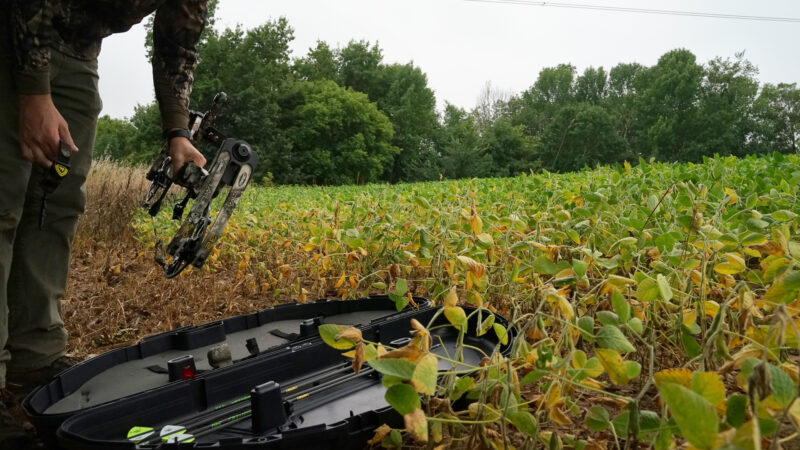
Needing to Have Your Bow in a Case
In states like Illinois, law requires that archery equipment be fully enclosed in a case when transported in a vehicle. While this rule was designed for firearm safety, applying it to bows makes little sense.
A compound or crossbow poses no immediate risk without an arrow, unstrung, or uncocked, and many hunters simply travel short distances between fields or stands.
Suggested Change: Remove or amend the case requirement for bows. A simple rule mandating that the weapon remain uncocked or un-nocked during transport would be far more practical without compromising safety.
Having to Check in Your Deer by 10 PM
While we’re picking on Illinois, let’s also address the fact that they require hunters to check in harvested deer by 10 p.m. on the day of the kill.
And they’re not the only state to do so. 10PM or midnight check-ins can be difficult.
While reporting harvests promptly is important for biological data and management, this strict deadline can create problems—especially for hunters tracking deer late into the night or field dressing in remote locations without service.
Suggested Change: Extend or modernize check-in deadlines, allowing for reporting by the following morning or through mobile apps with timestamped GPS verification. The goal should be accurate reporting, not unnecessary pressure or fines.
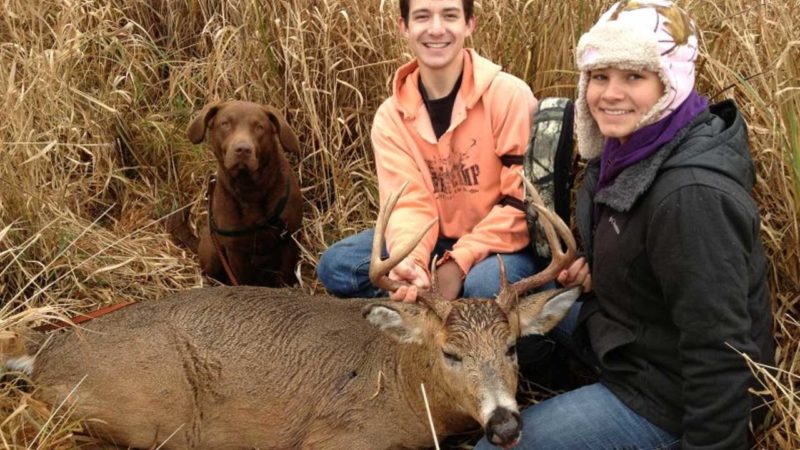
Ban on Using Dogs to Track Wounded Deer
In some states, including California, using trained dogs to track wounded deer remains illegal or tightly restricted. Ironically, these laws prevent hunters from ethically recovering animals that have been shot.
A well-trained tracking dog can help locate a wounded deer quickly, reducing suffering and preventing waste.
Suggested Change: Permit the use of trained tracking dogs under regulated conditions. States could require handlers to be licensed and dogs to be leashed at all times, ensuring control and accountability while promoting ethical recovery.
Allowing Tracking Dogs but Not Drones for Recovery
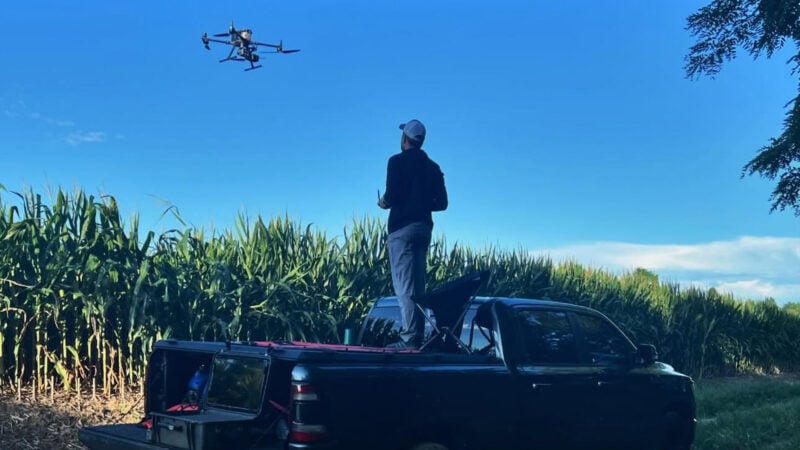
In recent years, some states have embraced the use of tracking dogs while continuing to ban drones for game recovery. While drones shouldn’t be used for hunting or locating live game, they can be valuable for recovery efforts—especially when a deer runs into difficult or dangerous terrain.
Suggested Change: Allow limited drone use for recovery after a confirmed shot, under strict conditions. Drones could be used to locate carcasses only, with no use for active hunting. This would save time, reduce animal waste, and keep hunters safe.
No Hunting on Sundays
Empty heading
Some of the most baffling hunting laws still on the books are the “blue laws” that prohibit hunting on Sundays. States like Pennsylvania, Virginia, and others once banned Sunday hunting due to religious traditions dating back hundreds of years.
Fortunately for Pennsylvania hunters things are changing on the Sunday hunting law for 2025. It’s been a long time coming, but Sunday hunting is now happening for PA hunters across the state.
Still for others, that’s not the case.
While a few have since relaxed those restrictions, some still limit what game species can be hunted—or where.
Suggested Change: It’s time to repeal these outdated bans. For many working hunters, weekends are the only opportunity to get into the woods. Allowing Sunday hunting would double the available days, improve hunter recruitment, and boost local economies that benefit from hunting activity.
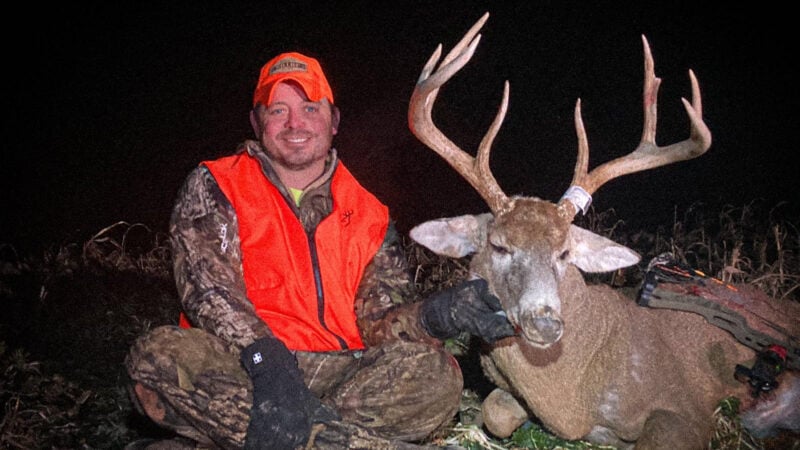
No Camo Blaze Orange Clothing in Certain States
In some areas, hunters are still restricted from wearing blaze orange patterns that incorporate camouflage. The intent behind blaze orange laws is sound—visibility for safety—but the execution can be overly strict.
A number of states require a solid blaze orange vest or hat, prohibiting any camouflage variation, even those that are scientifically proven to meet or exceed visibility standards.
Suggested Change: Hunters should be allowed to wear blaze orange camouflage patterns as long as the amount of visible orange meets safety requirements.
Final Thoughts
Hunting laws are meant to protect wildlife and ensure ethical, safe practices—but as times change, the regulations should too. From outdated blue laws to restrictions that stifle innovation or ethical recovery, many of these rules are long overdue for a rewrite.
Updating them would not only modernize our hunting traditions but also make the pursuit safer, fairer, and more effective for everyone who takes to the woods.