Killing a mature buck on public land is one of the toughest challenges in whitetail hunting. The terrain is open to anyone, pressure is high, and deer behavior is constantly shifting in response to human interference.
If you’ve been grinding on public dirt season after season with little to show for it, you’re not alone. But it’s time to take a hard look at why you’re not punching tags, and more importantly, how to change that.
You Hunt the Same Spots as Everyone Else
There is a classic saying that when you find an old tree stand, it must have been a good spot. That may be true for private land, but on public land, it can have a completely different meaning.
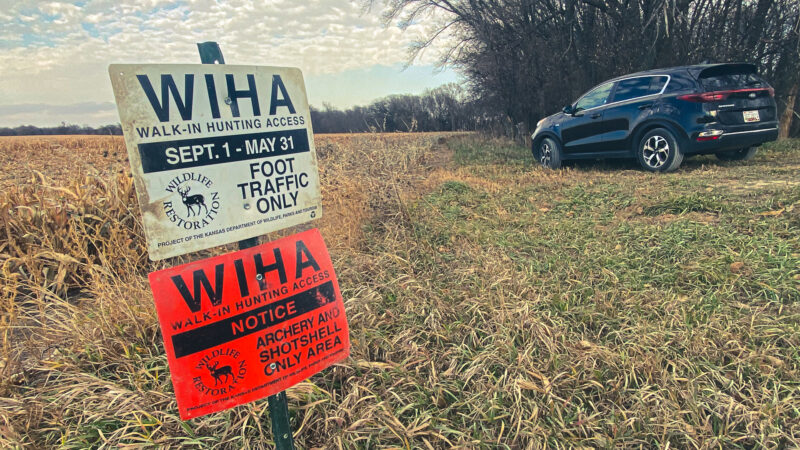
To the most dedicated public hunters, it indicates that people are already in that spot, so they continue to move. Most hunters park at the most obvious access points and hunt within half a mile of their truck. Deer are aware of this.
If you’re not willing to go deeper, access via water, or scout overlooked areas, you’re setting yourself up for failure. Use maps and boots-on-the-ground scouting to find off-the-beaten-path bedding areas, pinch points, and transition lines that most hunters won’t reach.
With the rise in popularity of saddle hunting in recent years, more hunters are embracing the “go farther” mindset when tackling public land. But it’s not just a trend or a way to look the part; it’s because this method works. Tree saddles and well-designed backpacks have simply made it more practical for today’s bowhunter to hunt this way efficiently.
You’re Not Scouting Enough
Public land bucks are quick to react to pressure and won’t tolerate much of it. You can’t depend on last year’s hotspots or trail camera images from July—they’re often outdated.
What matters is current intel: fresh rubs, tracks, and signs of active bedding areas. On a past trip to a public hunting area, my two buddies and I were impressed by the well-worn trails that led from bedding areas to fields and then from fields to water.
We spent two days following those trails, only to realize they were used primarily during the summer and hadn’t seen much activity since the season opened. After an afternoon of scouting, we discovered that many of the deer had relocated to the far side of the river, where there were fewer access points for hunters.
So, we packed up and moved. Early in the season, prioritize scouting over hunting. Glass open fields, walk ridgelines, and check creek crossings. Let the fresh sign guide you, but always factor in the pressure from other hunters.
You’re Hunting Too Much
Burning out a spot by overhunting it is one of the fastest ways to educate a buck. Many times, hunters on private land can overhunt areas.
The same goes for public land; once a hunter finds a “good spot,” they make the mistake of hunting in the same area for several days or weeks in a row.
If you’re hunting the same stand every chance you get, deer will pattern you. Public land whitetails survive by avoiding predictable danger. It is vital to play the wind, wait for the right conditions, and treat every hunt like it’s a one-shot opportunity.
Don’t just hunt; hunt smart, as if a buck is watching your every move, because there is a good chance he is.
Your Entry and Exit Is Blowing Deer Out
You might be set up in a great location, but if your approach is off, it won’t matter. Deer pick up on human movement quicker than most hunters expect.
The easier access points, like parking lots and small roads, may be convenient, but deer are just as aware of them. If the wind carries your scent or you get spotted while walking in or out, especially in the dark, your hunt can be over before it begins.
Use a GPS hunting app, such as HuntStand, to plan smart entry and exit routes. Steer clear of crossing open fields or cutting through bedding areas, and always play the wind to your advantage.
Paying attention to these details helps you avoid spooking deer and better observe their natural movement.
You’re Not Adjusting to Pressure
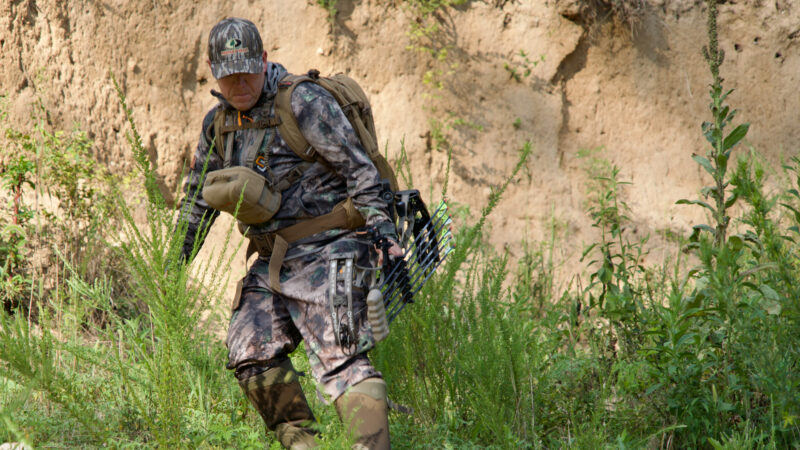
Public land is ever-changing. Bucks relocate, alter their patterns, and become nocturnal under pressure. If you’re not adjusting, you’re falling behind. When hunting or scouting, if you find fresh boot tracks or tree shavings where you planned to hunt, move on.
When fine-tuning my stand site, it feels almost as if I am scouting other hunters as much as I do the deer themselves. Use pressure to your advantage; deer often escape to spots others ignore.
The middle of the thickest thicket, overlooked cover near a road, or hard-to-reach islands in swamps can all be ideal places to hunt and help you see more deer.
Some of the best bucks I’ve taken on public land have come after weeks of hunting pressure, when I found hiding spots that were holding mature deer.
You’re Not Hunting High-Percentage Times
You can kill a public land buck on opening day, during October cold fronts, or when the rut is hot. But if you only hunt on weekends, in poor conditions, or miss peak movement times, your chances go way down.
Maximize your effort during the first few days of the season, right before or after major weather changes, and during rut travel windows. One good hunt in the right conditions beats ten bad ones.
A common mistake hunters make is thinking there are no deer in the area they’re hunting, so they move to another location. Usually, it’s the timing of your hunt that affects your success, not the lack of deer.
Don’t just hunt when you can; hunt when the conditions are right. Going out when the conditions aren’t ideal is simply leaving your scent behind and harming your future hunts.
You’re Not Confident Enough
Confidence kills bucks. When you doubt your setup, you’re more likely to fidget, climb down too early, or give up on the spot altogether. I often reflect on lessons from my baseball and football coaches and apply them to hunting.
If a batter steps up to the plate thinking, “I’m not going to hit this, the pitcher’s too good”, chances are he won’t. But if he walks up believing, “I’m going to crush this ball”, his chances improve dramatically. Confidence makes a big difference.
Public land hunting demands mental toughness. It’s easy to get discouraged when deer sightings are scarce. But if you’ve done the work, scouted thoroughly, played the wind, and picked your timing, then trust it. Stick with the plan.
Final Thoughts
Mature bucks are elusive for a reason, and one of the biggest mistakes hunters make is giving up too soon.
Will you kill a buck on public land this fall? Keep the mistakes mentioned above in mind, and you’ll greatly tip the odds for success in your favor this season.