Few moments in a hunter’s season are as thrilling as releasing a well-placed shot on a mature deer. But what happens in the minutes and hours that follow can make or break the outcome of the hunt.
Successfully recovering a deer after the shot is just as important—and just as challenging—as the hunt itself. Unfortunately, too many hunters make critical mistakes during the recovery process that lead to lost animals, spoiled meat, and lingering frustration.
Here are the top deer recovery mistakes hunters make, why they happen, and how to avoid them.
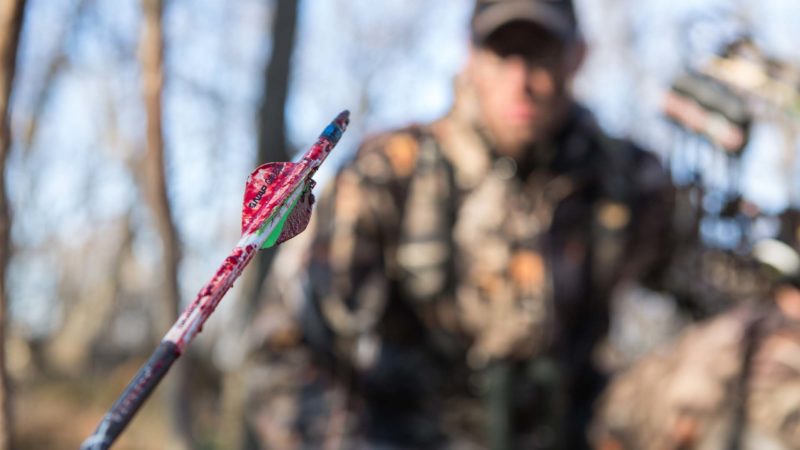
Rushing the Track Job
Following the blood trail too soon after the shot is easily the #1 mistake hunters make. It happens every year. Regardless of how hard we try to be patient, this one still tends to bite us more times than not.
Why?
Think about it. The adrenaline is pumping. You’re confident in your shot and eager to put your hands on the antlers. And sometimes this eagerness gets us in trouble.
Patience is obviously the key here. Unless the deer drops within sight, it’s crucial to give the animal time to expire. Wait at least 30 minutes to an hour after a shot to the lungs or heart. For marginal hits—such as liver or gut shots—wait 4 to 6 hours, or even overnight if conditions are favorable and the meat won’t spoil.
Jumping the deer too soon could push it farther into cover or trigger a final surge of energy that sends it out of reach. Time is your ally. The more time you give a wounded deer to bed down and die, the better your odds of recovery.
Poor Shot Analysis
Misjudging shot placement is a mistake a lot of hunters make each year and for good reason. It’s an easy mistake. We often see what we want to see, or hope for, in our shot. However, what we thought was a double-lung shot was actually straight guts.
The shot happened fast, the angle was awkward, or adrenaline blurred your memory. Maybe you just didn’t see clearly. Again, our mind plays tricks on us here.
How to prevent it?
Immediately after the shot, mentally replay the moment. Where did the arrow hit? What was the deer’s reaction—did it kick, hunch up, or bolt? Was there an audible “thwack,” or was the shot silent?
A liver shot deer won’t die as fast as a double-lunged one, and a gut-shot deer may travel much farther and be harder to find. Tailor your tracking strategy to the shot analysis, not just your excitement level.
Overlooking Blood Sign
Missing or ignoring subtle or early signs of blood and failing to track direction or consistency of blood is another mistake that’ll cost you big in your recovery efforts.
This mistake is largely due from inexperience, poor lighting, or assuming “no blood” means “no hit.”
Keep in mind, the first sign of blood is gold. Mark it with toilet paper, flagging tape, or an app like HuntStand or onX.
Follow every drop carefully, and keep the following in mind when it comes to clues from the blood you find.
- Color: Bright red often means lungs. Dark red = liver. Green/brown mucus = gut.
- Oxygen bubbles: In blood can mean a lung shot.
- Spray patterns: Directional sprays can indicate where the deer turned or ran.
- Height: Blood on high grass or trees might mean a high hit.
Careful attention to these clues can tell the full story of where the deer went and how badly it’s hurt.
Gridless Searching
What about when the blood runs out? This is where a lot of hunters fail. Wandering aimlessly once the blood trail goes cold is not the move to make.
Don’t let panic and impatience creep in here. If you lose the blood, slow down. Don’t walk about the woods at random. Instead, begin a systematic grid search.
Here’s how to make it happen:
- Pick a central last-known location.
- Assign search lanes about 10 –15 yards apart.
- Mark your route as you go—use GPS, tape, or visual markers.
- Revisit the area multiple times from different angles.
A disciplined approach dramatically increases your chances of locating a deer that died just out of sight of the last blood.
Not Calling for Help
There will be times when you simply need help. The hardest part is admitting it. But the help of a friend or family member can make the difference in you finding your deer.
Why is calling for help so hard on a hunter? That’s easy. Us dudes don’t like to ask, or admit we need help. Pride, embarrassment, or not wanting to bother others all come in to play here.
Just remember, there’s no shame in asking for help—especially if the shot was questionable or the deer ran into thick cover, or if nightfall is approaching. Call in a buddy, or better yet, contact a blood-trailing dog handler if it’s legal in your area.
Trained recovery dogs are incredibly effective, particularly when blood is minimal. Even if you don’t have access to a dog, extra eyes, fresh legs, and a different perspective can turn a frustrating search into a successful one.
Ignoring Wind and Noise
Remember to keep your noise down as you slip through the woods for the recovery. Your deer could still be alive. Excessive noise or human scent could cause a wounded deer that is bedded to make a hasty retreat.
Use the wind to your advantage here. Where possible, approach with the wind in your favor. Keep in mind, until you recover the deer, you’re still in the hunt. Move through the woods as if you’re attempting to slip up on a live deer.
A wounded deer’s senses are on high alert. Make the wrong move, and you could bump it into the next county, reducing your recovery odds significantly.
Final Thoughts
There’s a reason hunters talk about “the one that got away.” Those are often the ones we remember the most.
A poorly executed recovery is one of the most gut-wrenching experiences in the woods—not just because of the lost trophy or meat, but because of the responsibility we carry as ethical hunters.
Recovering a deer is not just the end of the hunt. It is a vital part of the hunt itself. Avoiding the common mistakes mentioned above can mean the difference between celebrating back at camp or walking away empty-handed.