When we think of deer hunting, we often think of peaceful mornings in the woods, crisp November air, and the quiet anticipation of a deer slipping into range.
But for some hunters, that moment can quickly turn dangerous in ways that have nothing to do with treestands or the weapon we carry. Each fall, reports surface of hunters who suffer fatal heart attacks in the field—and the numbers might surprise you.
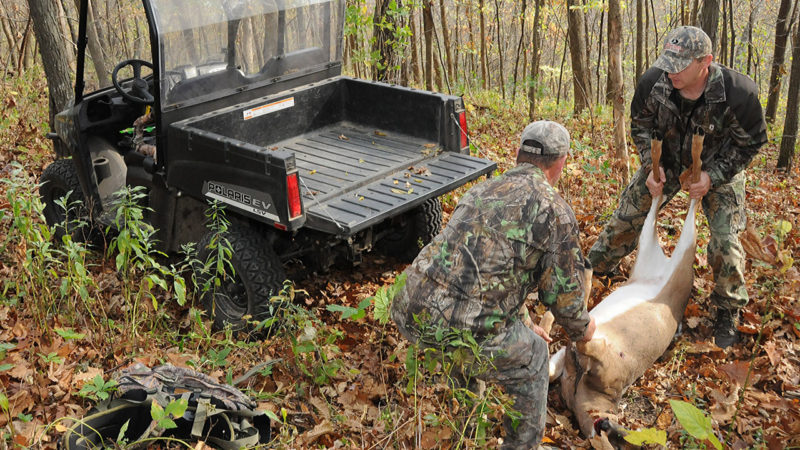
Think back to just last year. In November 2024, three Michigan deer hunters died of heart attacks within just 48 hours during the opening weekend of firearm season. The men—ages 57, 65, and 83—were hunting in Arenac and Tuscola counties. In two of those tragic cases, the hunters collapsed while dragging heavy deer carcasses from the woods.
Their deaths highlight a sobering reality: hunting is not just about sitting still. It can be as physically demanding as any outdoor sport.
Why Hunting Puts Strain on the Heart
Deer hunting is often underestimated as a strenuous activity. At first glance, it might seem like hours of sitting in a stand, but in reality, it involves the following:
Long hikes in rugged terrain: Moving through thick woods, climbing ridges and trees, and navigating uneven ground.
Cold-weather exposure: The body works harder to stay warm in freezing conditions, placing added stress on the cardiovascular system.
Heavy lifting and dragging: Field dressing, loading, and dragging a deer can be a sudden, grueling workout, especially if the animal is large and the hunter is alone.
Layered on top of this exertion is the surge of adrenaline that comes when a deer finally steps into sight. The spike in heart rate and blood pressure—combined with physical exertion—can overwhelm the cardiovascular system, particularly for hunters with undiagnosed conditions, high blood pressure, or a sedentary lifestyle.
Risk Factor for Middle-Aged and Older Hunters
Most hunters are men, and many fall into the middle-aged or older demographic where cardiovascular issues are already more common. Add in the fact that hunting often involves bursts of intense exertion after long periods of sitting still, and you have a recipe for sudden heart strain.
Doctors point out that dragging a deer, for instance, is similar to strenuous weightlifting. For hunters who aren’t regularly active or who have underlying health problems, that sudden stress can trigger a heart attack. The danger is amplified by the fact that hunters are often in remote areas where emergency response is delayed.
What Doctors Recommend
Medical professionals emphasize that preparation and awareness can reduce the risk of tragedy in the deer woods. Some key recommendations include:
Get a health checkup before the season: Men over 40, especially those with a family history of heart disease, should talk with their doctor about their cardiovascular health.
Know the warning signs: Chest pain, dizziness, nausea, or shortness of breath shouldn’t be ignored, even if they seem minor.
Pace yourself: Avoid dragging a deer long distances without breaks. Use a cart or get help from other hunters.
Stay active year-round: Conditioning the body with regular exercise before hunting season makes sudden exertion much safer.
Layer up properly: Keeping warm reduces the heart’s workload and keeps the body from fighting the cold.
Hidden Risk
The unfortunate deaths in Michigan last season are a reminder that hunting carries risks beyond firearms and treestands. For many, deer season is a cherished tradition that connects family and friends. But it also demands respect for the physical toll it can take, particularly for hunters in their 50s, 60s, and beyond.
Hunting may not seem as intense as running a marathon, but the unique mix of cold, adrenaline, and sudden exertion makes it a serious test of endurance. For those in poor health, that test can be deadly.
By recognizing the risks and taking steps to prepare, hunters can continue to enjoy their time in the field – without putting themselves at unnecessary risk.